Aquamarine vs Blue Topaz for Everyday Jewelry
Aquamarine and blue topaz can both make attractive blue jewelry. For a ring, topaz cleavage deserves particular attention; for a pendant, color, cut and treatment may matter more than the small difference in hardness.
Reviewed · Natural Gems Editorial
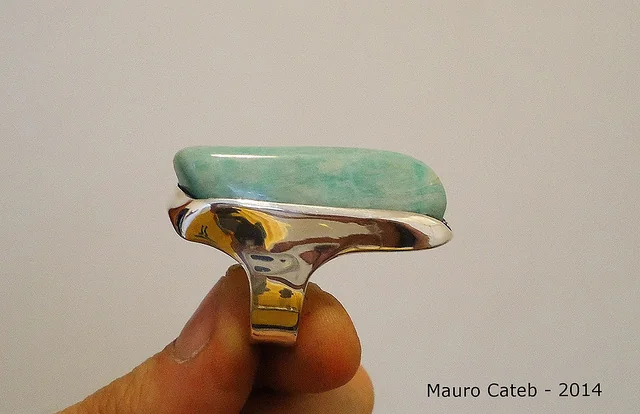
Is aquamarine or blue topaz better for everyday jewelry?
For an everyday ring, choose between aquamarine and blue topaz by the actual stone’s condition and the likelihood of knocks, not simply the bluer color or higher hardness number. GIA rates aquamarine at Mohs 7.5–8 and topaz at 8, but identifies topaz cleavage as an important breakage risk. A protected aquamarine may be a more practical candidate for frequent hand wear; a fractured or filled aquamarine still needs individual assessment. For a pendant that receives fewer impacts, the preferred color, cut and treatment disclosure can carry more weight. Neither stone should be worn through rough tasks on the assumption that hardness prevents damage.
Aquamarine and blue topaz everyday jewelry: the main distinctions
- Aquamarine: 7.5–8. Topaz: 8 on the Mohs scale.
- Topaz has basal cleavage and poor toughness.
- GIA recommends warm soapy water and no steam or ultrasound for topaz.
Aquamarine vs Blue Topaz for Everyday Jewelry
| Decision | Relevant distinction | What to examine |
|---|---|---|
| Scratch resistance | Aquamarine: 7.5–8. Topaz: 8 on the Mohs scale. | Do not confuse these ratings with resistance to splitting. |
| Impact risk | Topaz has basal cleavage and poor toughness. | Protect topaz in a mounting appropriate to the wear. |
| Cleaning | GIA recommends warm soapy water and no steam or ultrasound for topaz. | Confirm fractures, filling and coatings before deciding on a method. |
Harder does not mean harder to break
GIA rates aquamarine at Mohs 7.5–8 and topaz at 8, but identifies topaz basal cleavage as a cause of poor toughness. A sharp blow can split topaz even though it resists some scratches. This matters most for a ring that meets door frames or work surfaces. The distinction between scratch resistance and impact damage is more useful than choosing by a single number.
References: GIA: Aquamarine Care Cleaning GIA: Topaz Care Cleaning
Choose the blue you enjoy in normal light
Compare the actual stones in daylight and ordinary indoor light, with a neutral background and similar face-up dimensions. A dark center or pale window may be a cutting issue rather than a feature of the species. Ask whether the blue color was produced by treatment and whether any coating or fracture filling is present. Treatment disclosure lets you compare like with like without treating an enhanced color as automatically dishonest.
References: GIA: Gem Treatment
Match the piece to the care routine
A pendant generally receives fewer knocks than a hand-worn ring. For topaz, GIA recommends protective mountings and avoiding steam or ultrasonic cleaning. Aquamarine also needs protection from knocks and heat; fractures or filling change its cleaning limits. If you want a daily ring with less compromise, compare practical everyday ring stones before choosing a delicate setting merely to show more of the blue gem.
References: GIA: Aquamarine Care Cleaning GIA: Topaz Care Cleaning
A blue pendant and a workday ring need different compromises
If the desired piece is a pendant worn mainly for its blue color, compare how each stone looks against the selected metal and ask about its treatment before judging the price. If it is a ring that will frequently contact hard surfaces, topaz cleavage becomes a more important limitation and a jeweler should assess both the mounting and the individual stone. Aquamarine is not an automatic winner when it has fractures or filling. GIA’s aquamarine guide identifies such features as cleaning exceptions; its topaz guide warns about hard blows, pressure and sudden temperature change. Choose the piece you can actually care for, or reserve a more vulnerable stone for occasional wear.
References: GIA: Aquamarine Care Cleaning GIA: Topaz Care Cleaning
Questions for comparing the actual stones
- Try comparable sizes against the intended metal.
- Ask how each stone was treated and how the treatment affects care.
- Choose a protected ring mounting or consider a pendant.
Related Gemstone Questions
Sources and further reading
The GIA references below support the material and treatment distinctions discussed here. Design preferences and purchase-planning suggestions are editorial guidance; they are not individual stone identification, current price quotations or resale guarantees.
Found an error or missing attribution? Send a correction to Natural Gems Editorial.