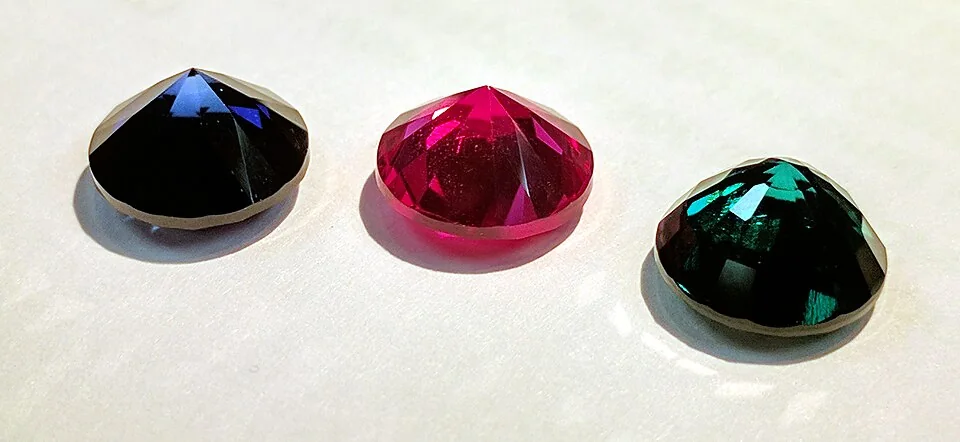
Can You Identify a Lab-Grown Gemstone at Home?
Home observations can raise questions, but reliable natural-versus-laboratory-grown identification often needs magnification and advanced laboratory testing.
Gemstone questions
A photograph can show color, but it cannot prove identity, natural origin, or treatment. These guides explain reports, seller language, home-test limits, return terms, and common warning signs.
A home observation may raise a question without resolving identity. Read the limits of home identification before using a scratch or visual test, and keep moissanite-versus-diamond checks separate from natural-versus-synthetic origin.
Home observations can raise questions, but reliable natural-versus-laboratory-grown identification often needs magnification and advanced laboratory testing.
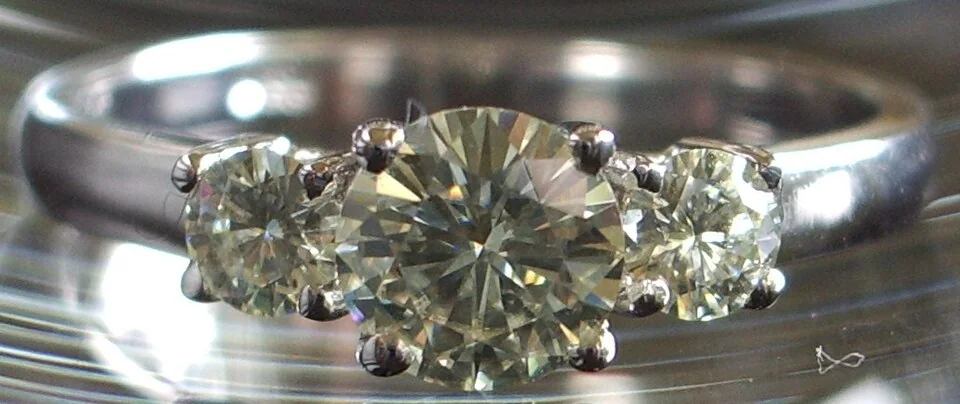
Thermal testers, sparkle, fog, and phone photographs have limits. Learn when a dual tester or professional identification is needed.
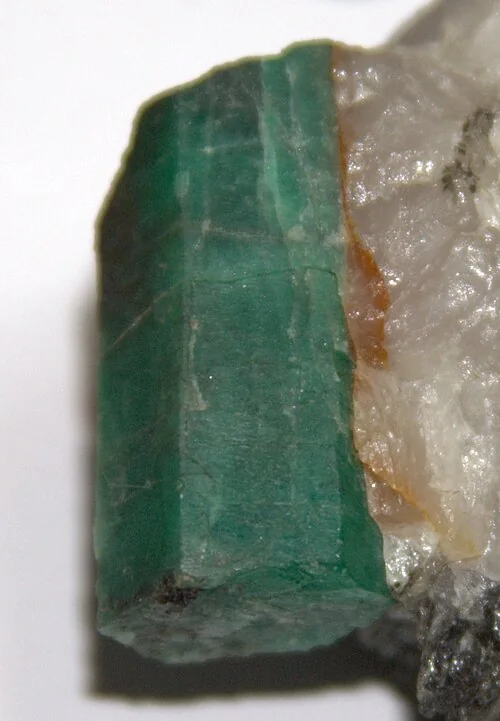
Check emerald listings for identity, treatment disclosure, matching reports, photo limitations, and return terms before deciding whether to buy.
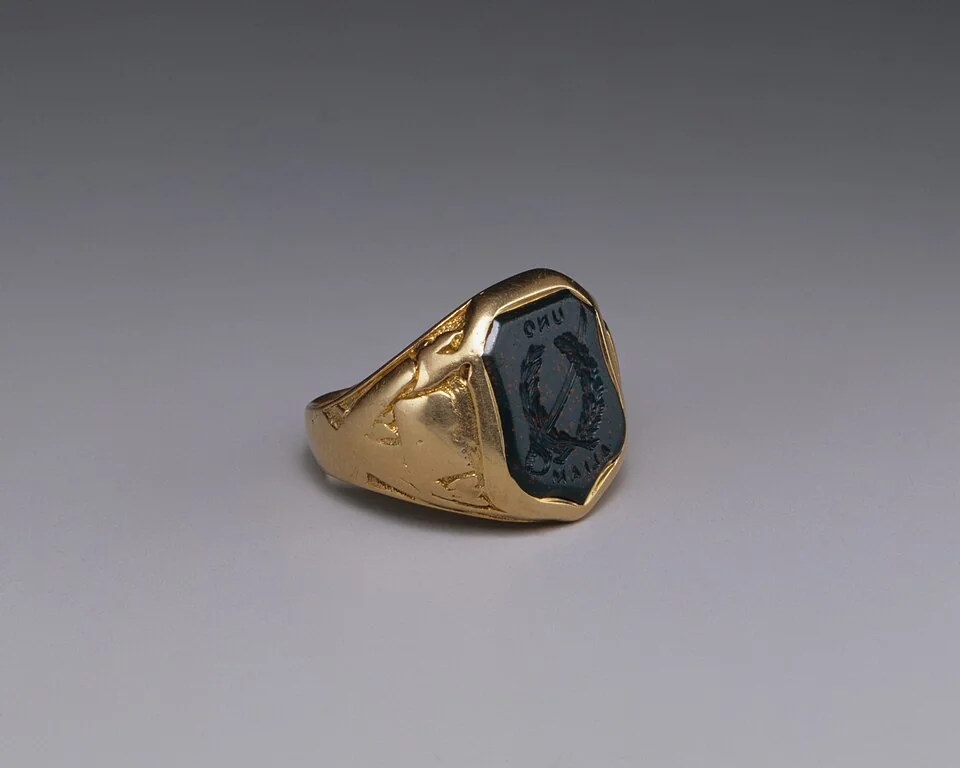
Old settings do not prove old stones. Check replacements, assembled gems, foil backs, worn mountings, repairs, and period-inappropriate claims.
A material name does not describe every enhancement. Emerald fissure filling changes care and disclosure questions; ruby laboratory reports help distinguish observations about identity and treatment from a price appraisal.
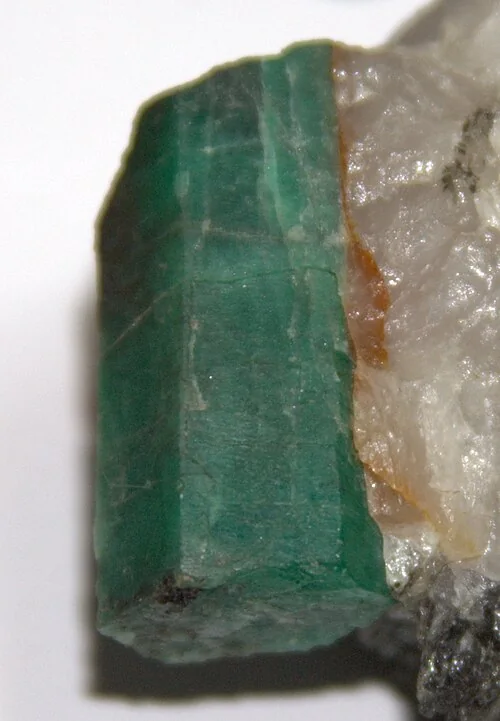
Understand why emeralds are oiled, what treatment extent means, and how fissure filling changes cleaning, repair, disclosure, and value.
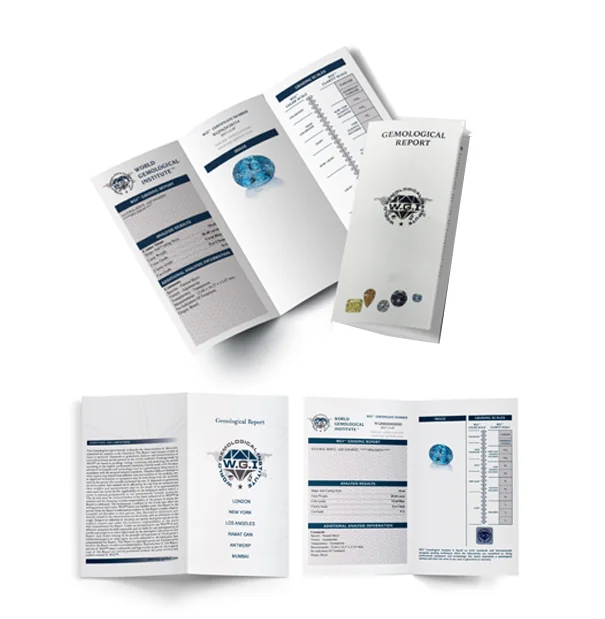
Compare heat, oil, resin, dye, coating, diffusion, irradiation, and fracture filling by stability, disclosure, care, and market acceptance.
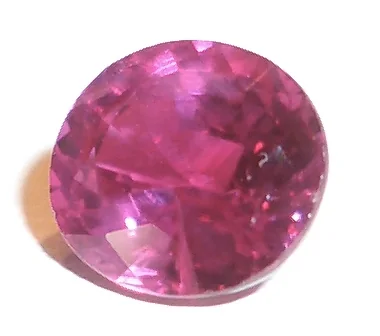
Learn what a colored-stone laboratory report can say about ruby identity, detectable treatment, measurements, and geographic origin opinions.
A safe purchase starts before payment. Use online seller checks to inspect the evidence trail, then compare the return and examination terms with the time you would need for independent assessment.
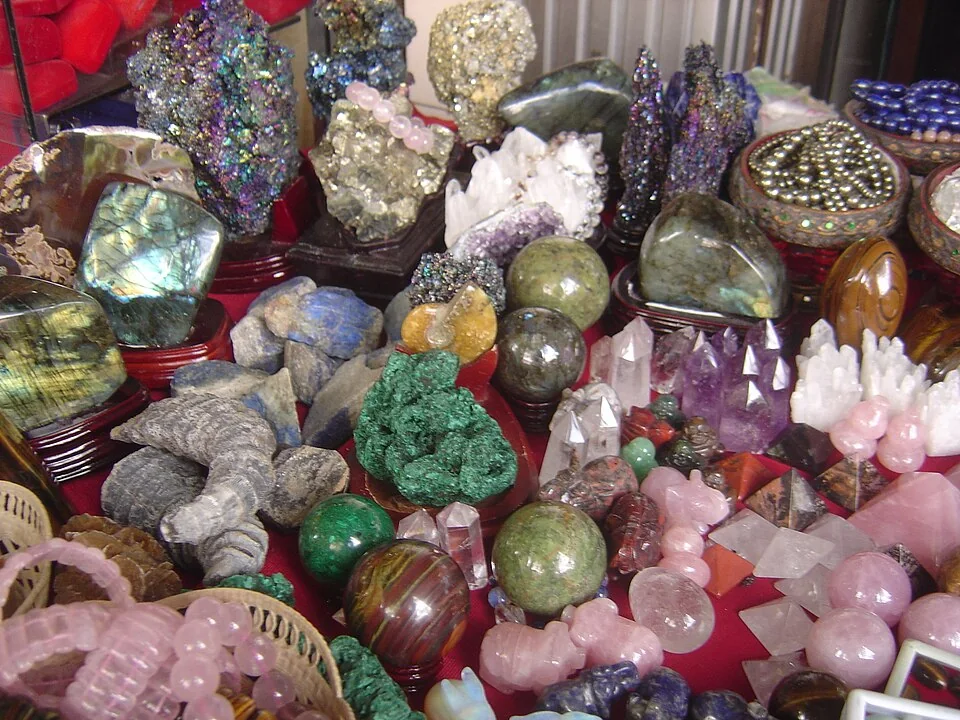
A sound decision depends on disclosure, matching media, independent reports, inspection time, secure payment, and workable return terms—not a marketplace name.
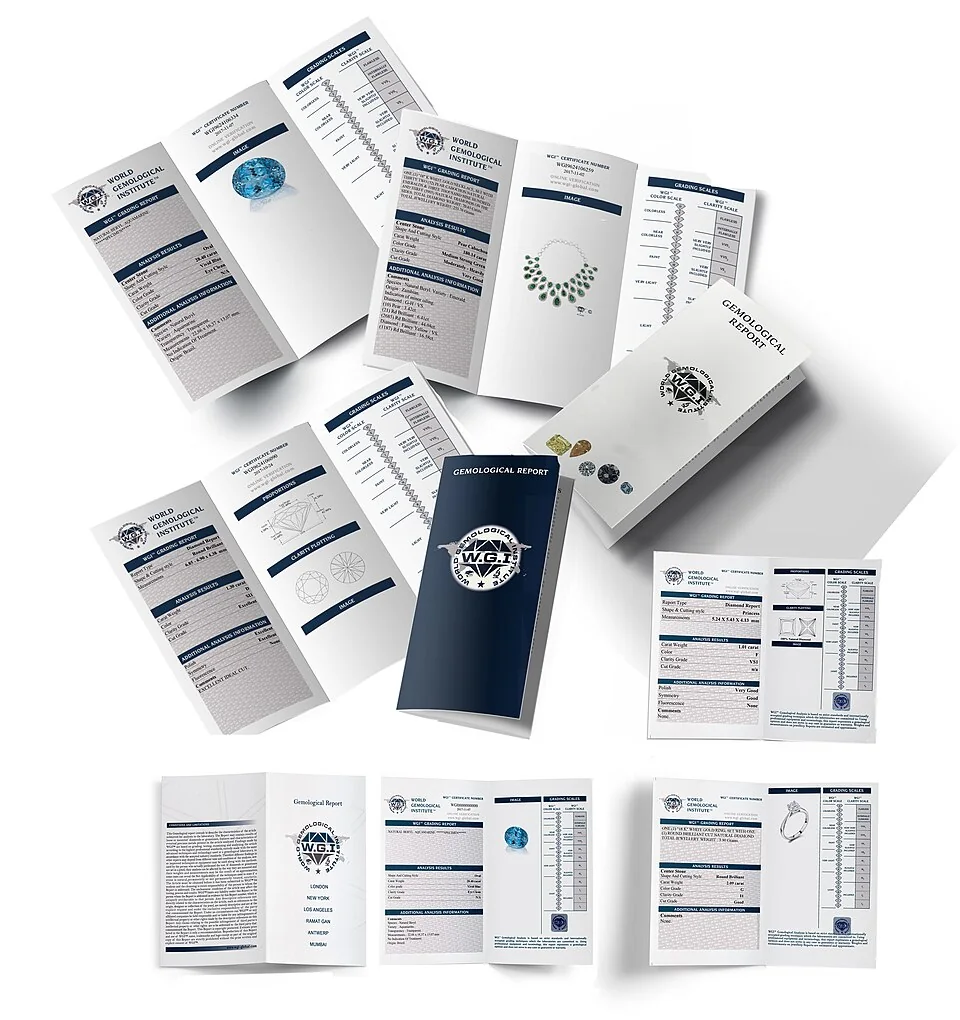
A practical guide to inspection periods, laboratory checks, resizing exclusions, shipping risk, refunds, and return documentation for gemstones.
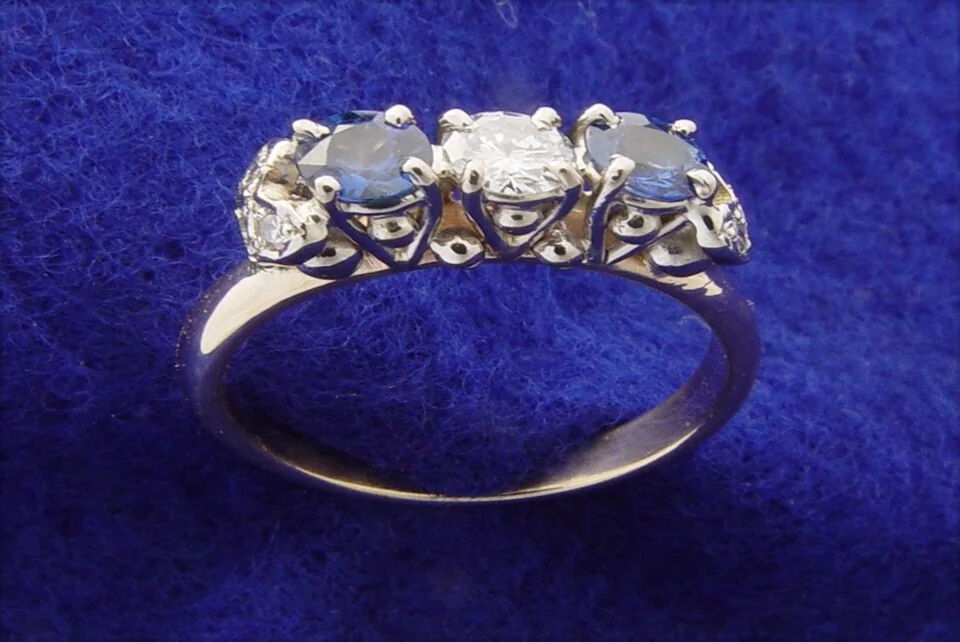
Learn how vague origin claims, hidden treatments, borrowed photographs, and weak return terms can make an online sapphire listing risky.