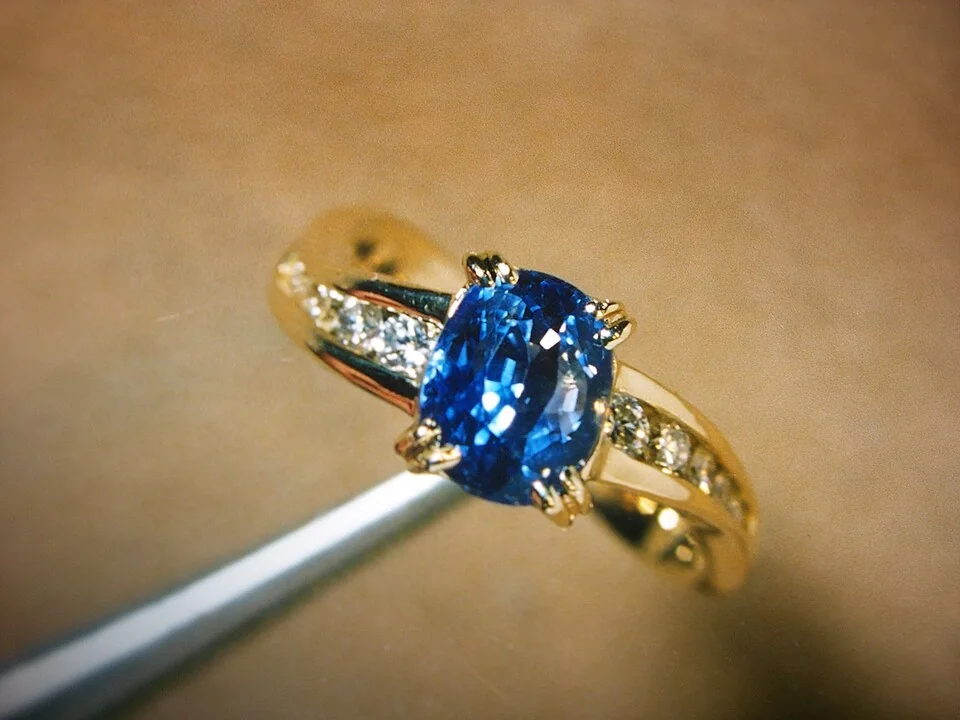
Gemstone Hardness for Rings: Why Mohs Is Not Enough
Mohs hardness measures scratch resistance, not resistance to chipping. Compare toughness, cleavage, inclusions, treatment, and setting protection too.
Gemstone questions
Hardness is only the first number. Learn how toughness, cleavage, inclusions, fillers, coatings, heat, cleaning methods, settings, and ordinary habits affect a gemstone over time.
Mohs hardness for rings describes scratching, not the whole durability question. Compare scratch-resistant choices with the broader daily-wear considerations before assuming a high number makes a jewel invulnerable.
Mohs hardness measures scratch resistance, not resistance to chipping. Compare toughness, cleavage, inclusions, treatment, and setting protection too.
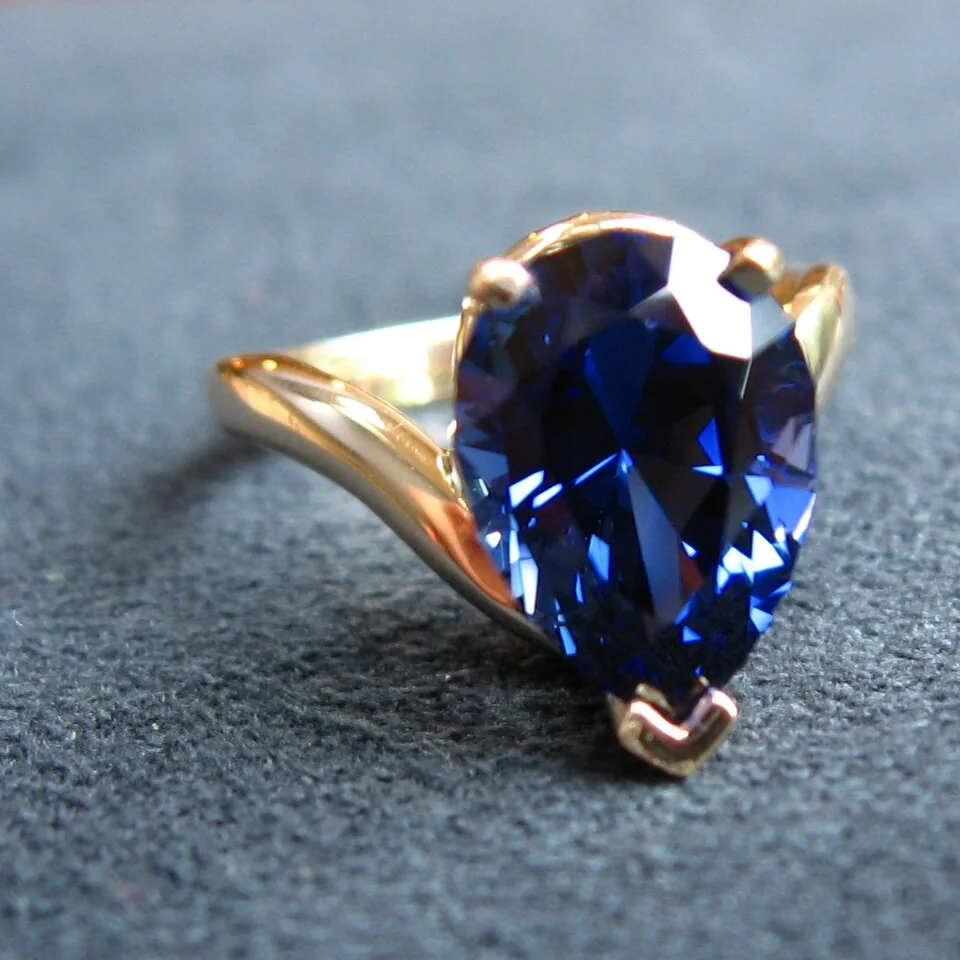
Sapphire, ruby, chrysoberyl, spinel, and diamond resist scratching well, but toughness, cleavage, treatment, and setting still matter.
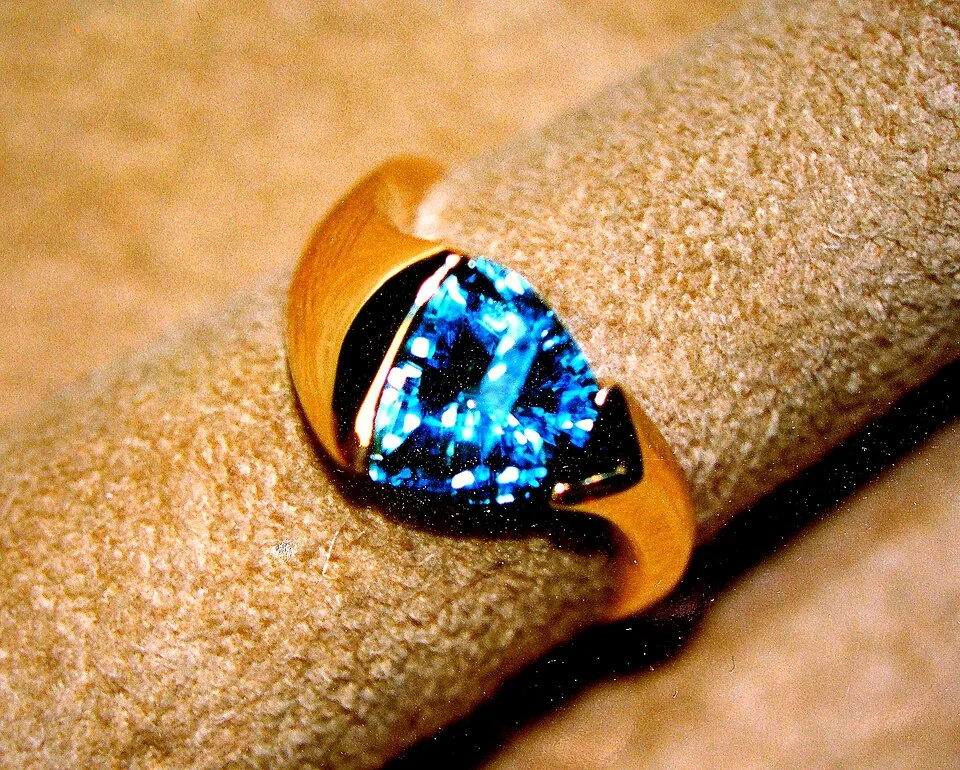
Compare sapphire, ruby, spinel, chrysoberyl, garnet, emerald, opal, and others by hardness, toughness, cleavage, treatment, and setting.
Cleaning depends on the stone, its treatment, and the condition of the mounting. Begin with treated-gemstone care, then use the specific emerald cleaning guidance where oil, resin, or existing fissures need gentler handling.
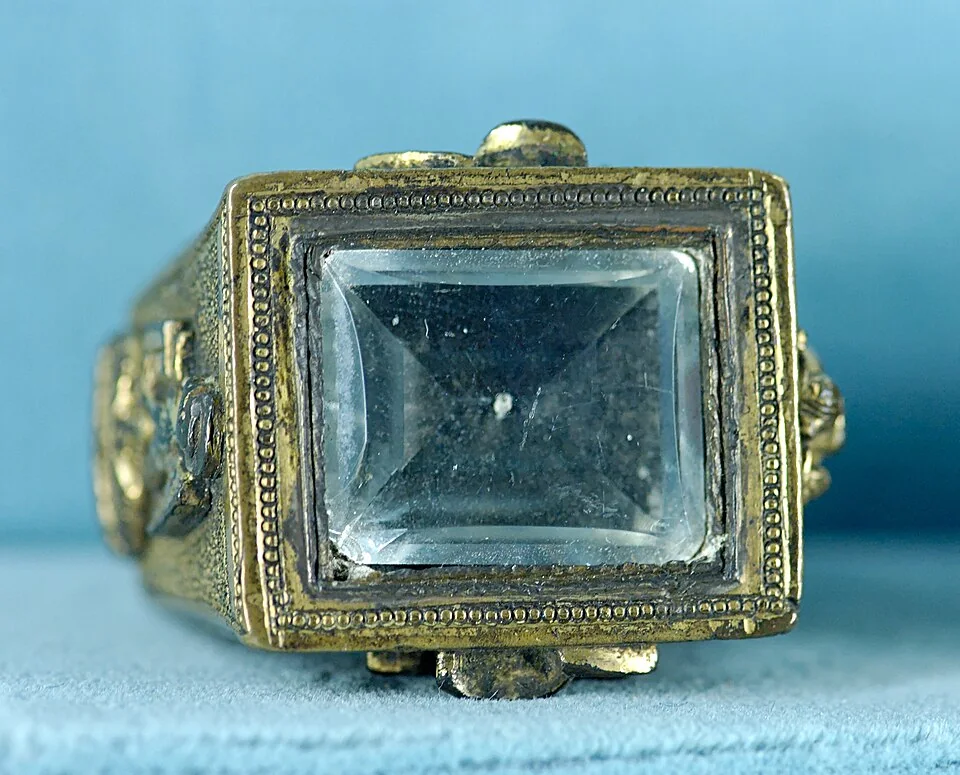
Cleaning advice for fracture-filled, dyed, coated, heat-treated, and impregnated gemstones, including when to avoid steam and ultrasonic cleaners.
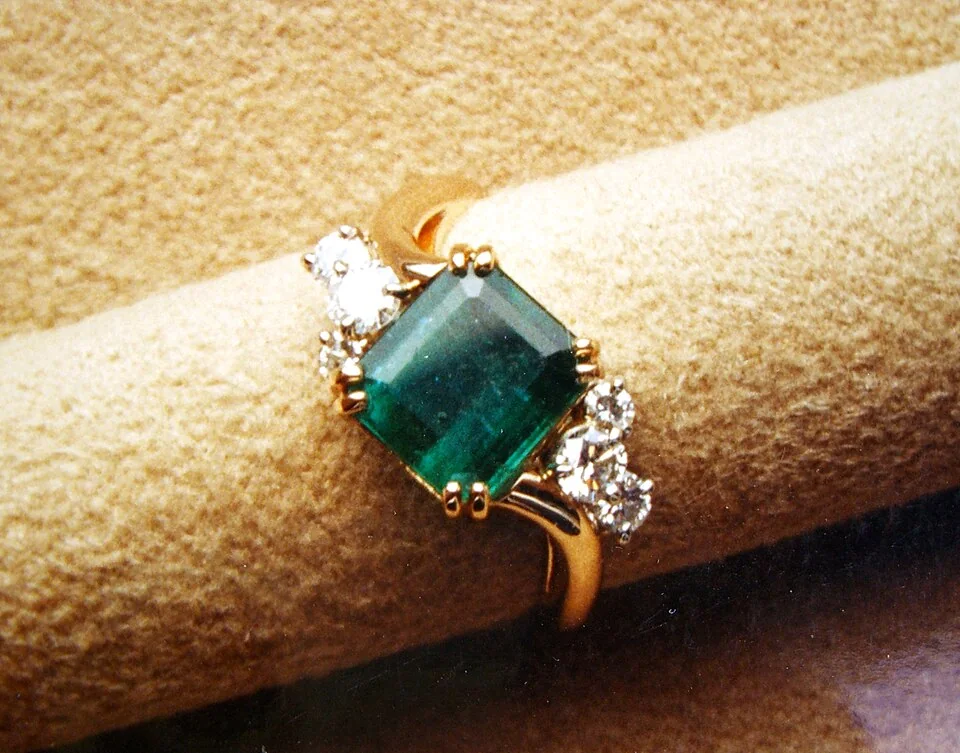
Use lukewarm water, mild soap, and a soft brush for emerald. Avoid steam, ultrasonic cleaning, harsh solvents, and unbriefed repair work.
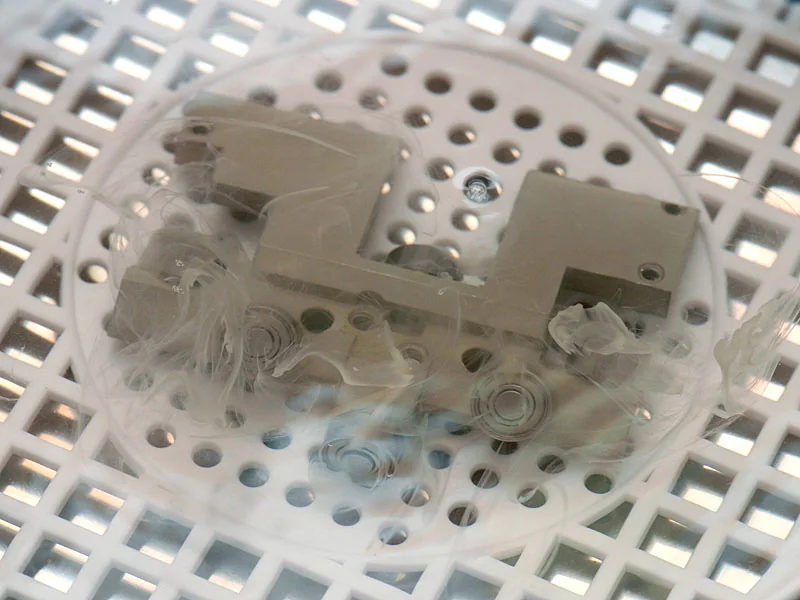
Ultrasonic cleaning can damage filled, fractured, porous, assembled, coated, or delicate gems. Identify the stone and treatment before use.
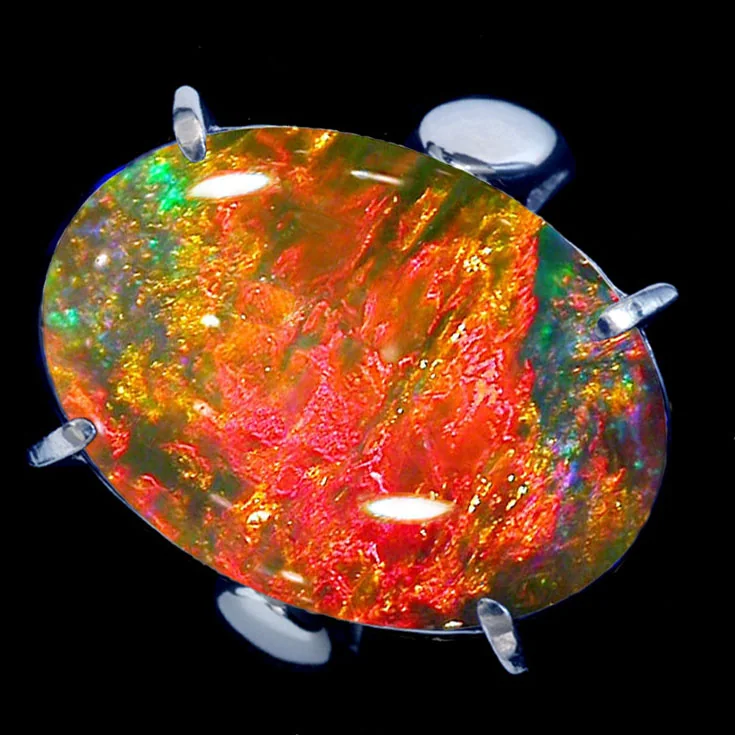
Emerald, opal, tanzanite, kunzite, treated stones, and included gems can react badly to heat, sudden temperature change, or a jeweler’s torch.
Exposure and storage can matter as much as cleaning. Light and color stability explain why a sunny display is not suitable for every material, while packing gemstone jewelry for travel keeps individual pieces apart and documents accessible.
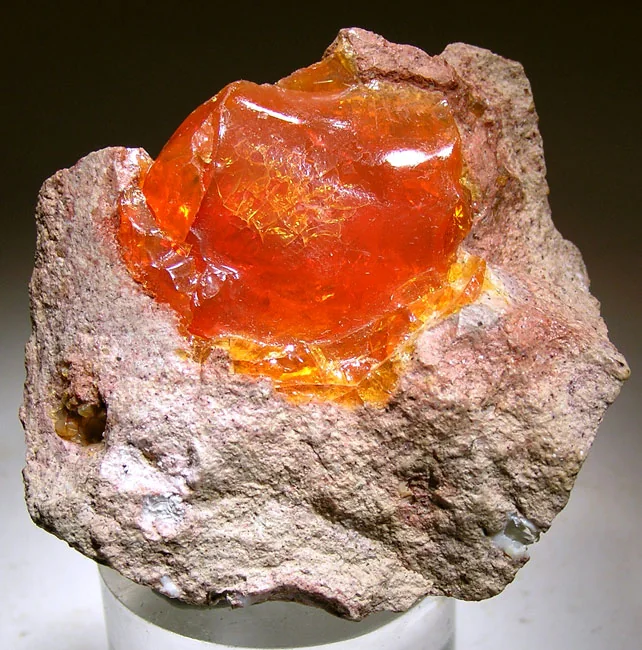
Some kunzite, amethyst, topaz, dyed gems, and organic materials may change after prolonged light or heat exposure. Learn safer display and storage habits.
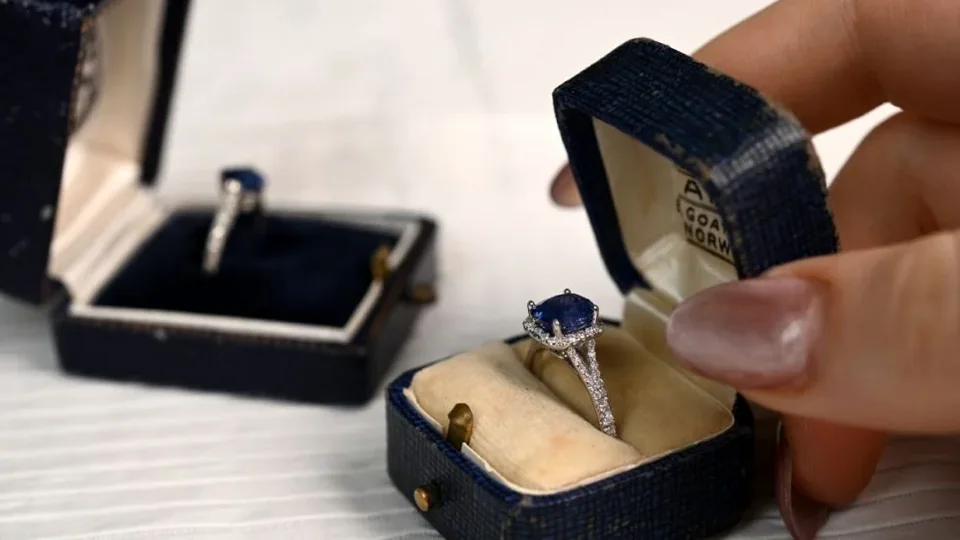
Prevent scratches, tangles, impact, moisture, and loss by separating pieces, checking settings, carrying valuables securely, and documenting them.
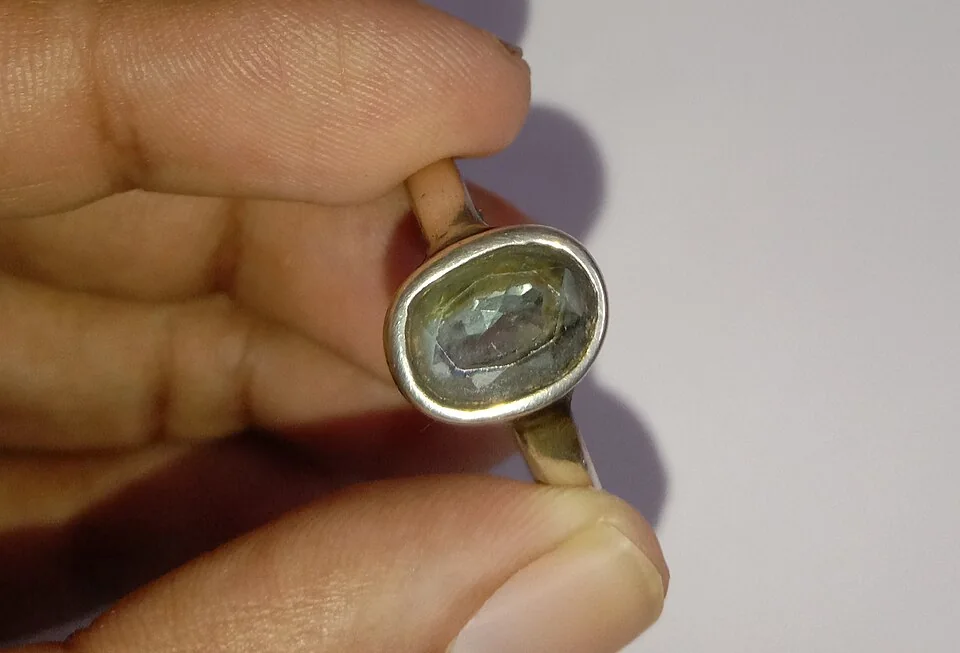
Prepare photographs, measurements, laboratory reports, treatment details, receipts, appraisals, and setting descriptions before arranging coverage.