Heat-Sensitive Gemstones: Wear, Repair, and Storage
Heat-sensitive gemstones need care during cleaning and repair. Topaz, kunzite and filled emerald each illustrate why hot steam or sudden temperature changes deserve attention.
Reviewed · Natural Gems Editorial
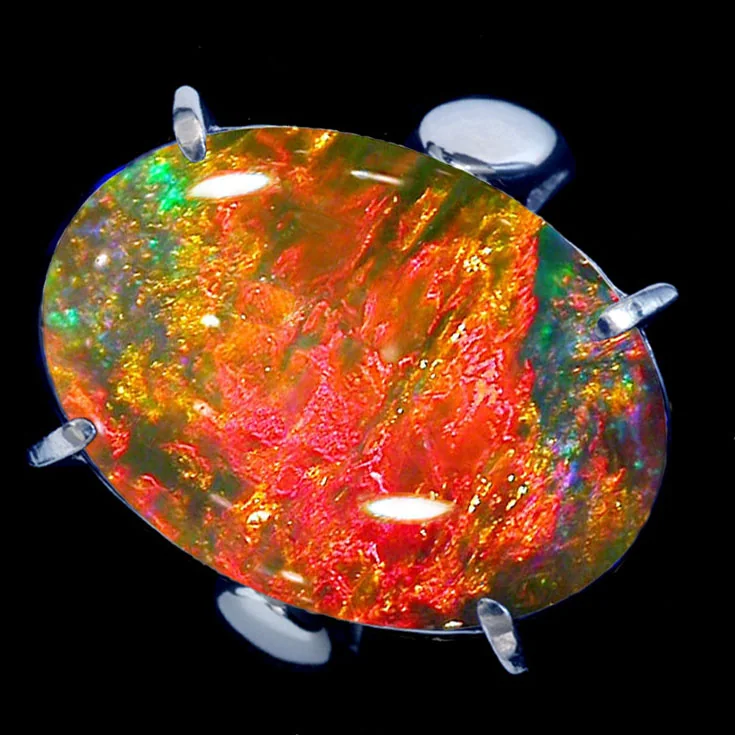
Which gemstones need protection from heat?
Topaz and kunzite can be damaged by high heat or sudden temperature changes, while heat can affect emerald fractures and filling. Identify the material, treatment and intended procedure before cleaning or repair. There is no single safe heating instruction for an unidentified jewel: avoid steam or thermal experiments on uncertain material and give the repairer its treatment history.
Heat, treatment and the proposed procedure
- Cleaning heat and repair heat are different procedures.
- Sudden temperature changes can damage sensitive gems.
- Treatment records help a repairer select a suitable approach.
Compare heat-related care decisions.
| Decision | What changes the answer | Action to take |
|---|---|---|
| Topaz or kunzite | High heat and sudden changes can cause damage. | Avoid steam and have heated work assessed. |
| Filled emerald | Both the fractures and filling matter. | Provide treatment history before repair. |
| Unknown stone | Temperature tolerance is not established. | Postpone heating until identification and advice are available. |
Separate ordinary wear from a heated procedure
A warm room and a jeweler’s repair procedure are different situations. Ask the jeweler about the actual work being proposed instead of treating a general care note as permission for heating. Keep written treatment information with the item so the person doing the work can evaluate it.
Topaz and kunzite show the temperature-change problem
GIA warns that high heat or sudden temperature changes can break topaz and kunzite; their cleaning guides also exclude steam and ultrasound. These are material-specific warnings, not proof that every gem fails at the same temperature. The ultrasonic guide addresses the separate machine-cleaning decision.
References: GIA: Topaz Care and Cleaning GIA: Kunzite Care and Cleaning
Fillings can change the plan for an emerald
GIA explains that heat can affect emerald fractures and filling. Inform the repairer before resizing or other work, even if you only want the metal altered. Use emerald hand cleaning for routine dirt, and review light-sensitive colors when heat and display exposure overlap.
References: GIA: Emerald Care and Cleaning
What to ask before resizing a gemstone ring
If you want a filled emerald ring made smaller, specify the stone and known filler when requesting the work. Do not assume that working on the shank leaves the gem outside the repair decision. Ask how the jeweler will assess the stone, whether it can stay mounted and what treatment information is needed. The repairer must choose a suitable procedure for that individual ring. GIA warns that heat can extend emerald fractures and affect clarity-enhancement materials; those warnings explain why the stone belongs in the discussion before metal work starts.
References: GIA: Emerald Care and Cleaning
Color change and breakage are different heat risks
Kunzite’s care guide warns about both breakage from high heat or sudden temperature changes and fading with prolonged heat or intense light. Topaz guidance also distinguishes breakage from the fading risk of certain colors. A storage decision and a repair decision therefore need different questions. Ask about a particular stone’s stability instead of using its hardness number as permission to apply heat. These guides do not supply a universal temperature or exposure time that makes every specimen safe.
References: GIA: Kunzite Care and Cleaning GIA: Topaz Care and Cleaning
Before heating or repairing gemstone jewelry
- Name the stone and treatment before repair.
- Describe exactly what work is planned.
- Avoid steam for heat-sensitive material.
- Do not try heat tests at home.
Related Gemstone Questions
Sources and further reading
GIA’s topaz, kunzite and emerald guides support the specific heat and temperature-change cautions described here.
Found an error or missing attribution? Send a correction to Natural Gems Editorial.