Gemstone Jewelry Insurance: A Documentation Checklist
Prepare a clear record of your gemstone jewelry before asking about insurance. A receipt, laboratory report, valuation and policy answer different questions.
Reviewed · Natural Gems Editorial
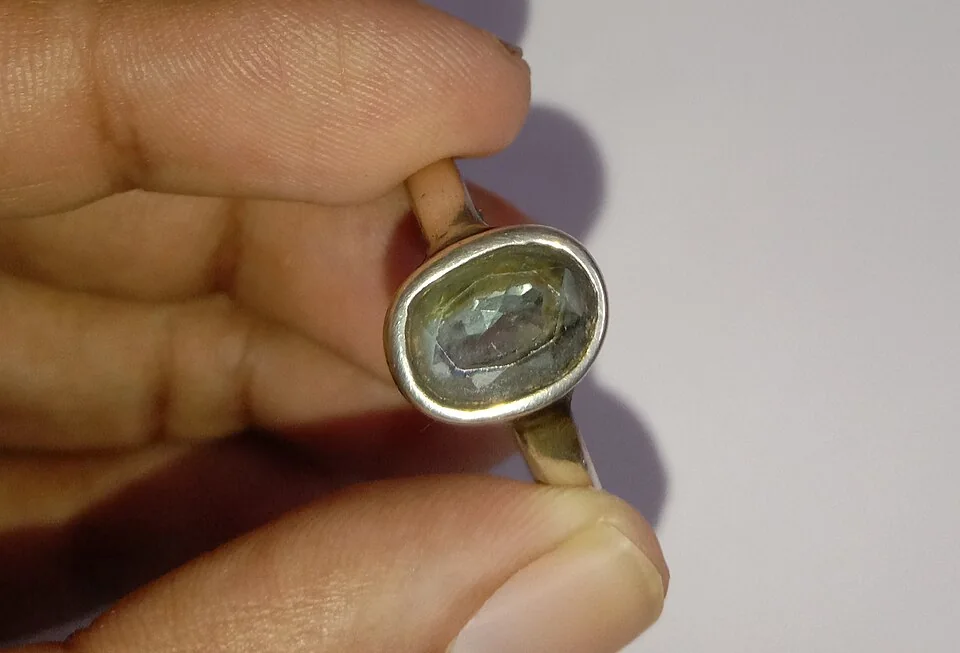
What documents help insure gemstone jewelry?
Ask the insurer which documents and valuation it requires, then obtain written confirmation of cover, exclusions, travel conditions and claim procedures. A gem report does not itself insure or value the jewel.
Documents with different purposes
- A laboratory report and a valuation serve different purposes.
- Coverage comes from the actual policy terms.
- Identifying records should describe the whole jewel.
Separate identification, value and cover.
| Decision | What changes the answer | Action to take |
|---|---|---|
| Laboratory report | Describes examined gemological characteristics. | Do not treat it as a value or coverage promise. |
| Appraisal | Has a stated valuation purpose and date. | Ask the insurer what it requires. |
| Policy | Contains the actual insurance terms. | Read cover, limits, exclusions and claim conditions. |
Give each document a separate job
GIA states that its report is not a valuation or appraisal. Keep an invoice for the purchase, the report for gemological observations and any requested appraisal for its stated valuation purpose. A report number does not establish an insured replacement amount. Our ruby report explanation shows how to read identity and treatment information.
References: GIA: Report Limitations GIA: Finding and Choosing an Appraiser
Ask about the events you actually need covered
Put specific questions to the insurer: loss away from home, theft, accidental damage, travel, storage and any deductible or limit. These are questions to resolve in the actual policy, not benefits this website can promise. Save the written response alongside the current policy documents.
Make the item recognizable before a problem occurs
Retain photographs, measurements, metal description, treatment disclosure and purchase records. Ask what happens after resizing, resetting or a change in value, and when documents need updating. For a trip, combine those records with travel storage planning. For an older jewel with uncertain identity, begin with vintage authenticity checks before making a value assumption.
Gather the insurance documents
- Ask the insurer for its document requirements.
- Keep photographs and identifying details.
- Check travel, loss and damage terms in writing.
- Ask about updates after alterations or value changes.
Related Gemstone Questions
Sources and further reading
GIA distinguishes gemological reports from appraisals and discusses choosing an appraiser. Insurance benefits, exclusions and requirements come from the actual insurer and policy.
Found an error or missing attribution? Send a correction to Natural Gems Editorial.