Vintage Gemstone Jewelry: Authenticity Red Flags
An old setting does not prove that its gemstone is original, natural or untreated. Evaluate the jewel’s history, material and current condition as separate questions.
Reviewed · Natural Gems Editorial
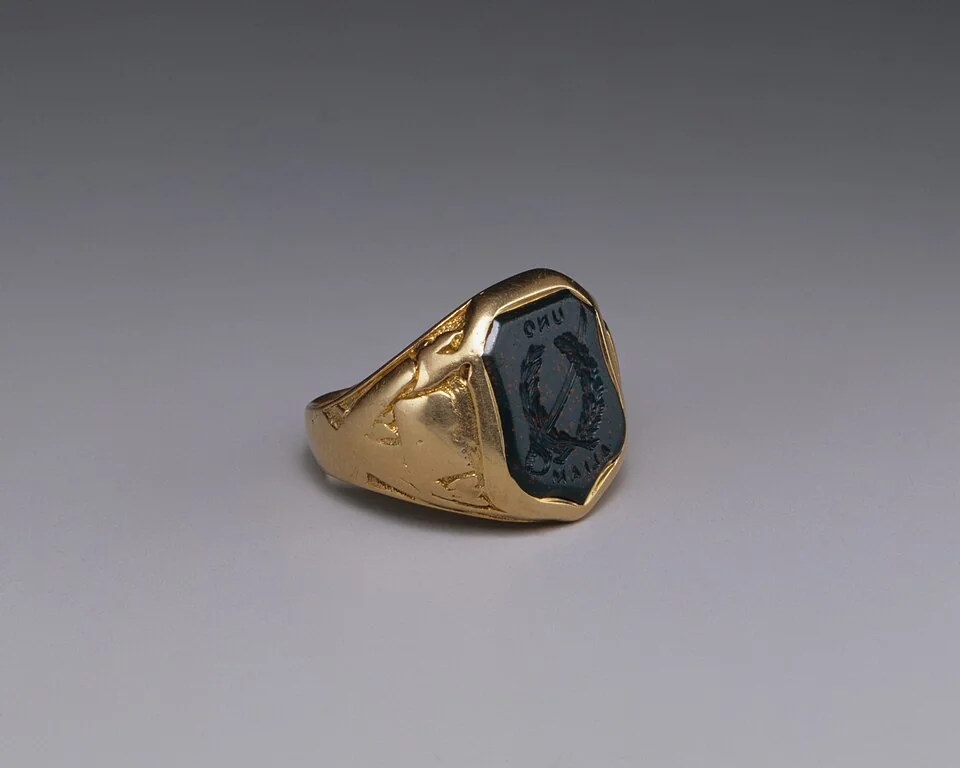
Does a vintage setting prove that its gemstone is natural?
No: a vintage setting does not prove that its gemstone is natural, untreated or original to the jewel. Request provenance where available, ask about replacement stones and repairs, and arrange examination when identity matters. Keep age, material identity and present condition separate. Missing records or conflicting descriptions need clarification; they are not automatic proof of fraud.
The setting’s history and the gem’s identity
- An old mounting does not establish a gemstone’s identity.
- Repair history and current condition should be documented.
- A laboratory report does not date every part of a jewel.
Separate age, alterations and examination.
| Decision | What changes the answer | Action to take |
|---|---|---|
| Age claim | Setting style and gemstone identity are different evidence. | Ask which component is dated and how. |
| Repair history | Alterations may affect description and condition. | Request known resets, replacements and repairs. |
| Older report | It records an examination at a particular time. | Compare it with the present jewel and current questions. |
Separate the age of the setting from the gem
A period-style mounting and a seller’s age description do not identify the stone inside it. Ask which parts of the jewel are being dated and what supports the statement. Keep historic paperwork distinct from a current laboratory report, and avoid assuming that a later replacement is impossible.
Record alterations and condition before purchase
Ask about resetting, replacement stones, repairs and any known treatment. Have a specialist examine visible wear and the mounting before planning cleaning or polishing. Our treated-stone care guide explains why an undocumented treatment can change maintenance decisions.
Arrange the right examination without unnecessary alteration
GIA’s colored-stone analysis explains how identity and detectable treatment are examined. Ask the laboratory or qualified examiner what can be concluded while the stone is mounted and whether any intervention is necessary. Read report limitations when interpreting older documents, and confirm return permission for examination before authorizing changes.
References: GIA: How Colored Stones Are Analyzed GIA: Report Limitations
Compare an older report with the jewel in front of you
Start with the report’s description, measurements and examination date. Ask whether it describes a loose stone or the complete mounted piece and whether the jewel has been reset or repaired since that examination. GIA’s limitations state that a report records characteristics examined using the techniques available at the time; later examinations can differ as techniques improve or the item changes. That makes an older report useful evidence with a defined scope, rather than a permanent guarantee about every present claim.
References: GIA: Report Limitations
An old ruby ring can carry several separate claims
For example, a seller may describe a ring as vintage and its red stone as natural ruby. Ask separately what supports the ring’s date, what identifies the stone and whether it is believed to be original to that setting. A report about the ruby does not automatically establish when the mounting was made or when the stone was fitted. Before authorizing removal, ask the examiner which questions can be answered while it remains mounted and obtain the seller’s written agreement for any proposed intervention.
References: GIA: How Colored Stones Are Analyzed GIA: Report Limitations
Before buying or altering a vintage jewel
- Save provenance and the seller’s written age claim.
- Request known repair and replacement history.
- Arrange examination before unnecessary alteration.
- Check return terms and suitable care before wearing.
Related Gemstone Questions
Sources and further reading
GIA’s analysis and buying references support examination and documentation. Dating a setting or establishing provenance requires evidence about that individual jewel.
Found an error or missing attribution? Send a correction to Natural Gems Editorial.