Which Gemstones Are Suitable for Daily Wear?
Daily-wear gemstone suitability depends on the mineral, treatment and setting. Sapphire, ruby and spinel are practical starting points, while every ring still needs sensible handling.
Reviewed · Natural Gems Editorial
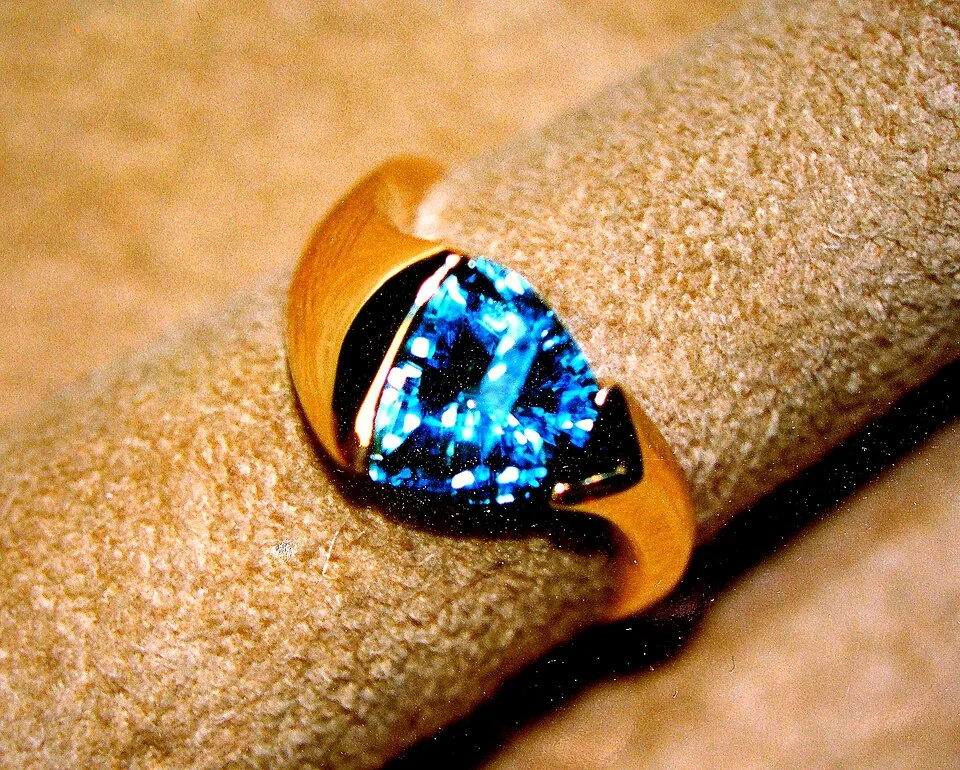
Which gemstones are safest for daily wear?
Choose with hardness, toughness, stability and the mounting in mind. No gemstone ring is suitable for every activity; remove it when work or recreation creates impact, snagging or chemical exposure.
Daily wear depends on the whole ring
- Material and mounting must be assessed together.
- A daily-wear ring still needs removal for some activities.
- Care instructions should reflect the actual treatment.
Match a stone to your wear routine.
| Decision | What changes the answer | Action to take |
|---|---|---|
| Material | Durability starts with documented identity. | Use species-specific guidance. |
| Mounting | Exposure changes how a ring meets daily knocks. | Discuss protection and condition with the jeweler. |
| Routine | The ring must fit the activities and care you can maintain. | Plan when to remove and inspect it. |
Shortlist materials, then inspect the actual stone
GIA describes corundum as hard and tough and spinel as a durable jewelry material. That makes them useful starting points, not guarantees about every specimen or mounting. If you are choosing a new ring, everyday ring selection helps connect the material to design and budget.
References: GIA: Sapphire Care and Cleaning GIA: Spinel Care and Cleaning
Daily wear is more than a scratch ranking
A ring can meet a doorframe, tool or work surface in ways a pendant does not. Think about the activities you actually do while wearing it. Ask how the stone is protected and whether the treatment changes its care. Our hardness guide separates scratch resistance from the rest of durability.
References: GIA: More Than the Mohs Scale
Write down a care routine you can follow
Keep the seller’s treatment disclosure and cleaning instructions. Have a loose stone examined rather than continuing to wear it, and remove the ring for activities your jeweler advises against. For jobs involving tools, knocks or repeated handling, the occupational jewelry guide provides a more focused decision.
Before making a ring your daily companion
- Confirm the stone and treatment.
- Check that the mounting suits the material.
- Decide which activities require removal.
- Keep cleaning guidance and inspect loose settings promptly.
Related Gemstone Questions
Sources and further reading
GIA’s corundum and spinel guidance supports their material properties. The setting and activity choices still require individual judgment.
Found an error or missing attribution? Send a correction to Natural Gems Editorial.