Durable Colored Gemstones for an Active Workday
A workday gemstone choice begins with the task and the workplace’s jewelry rules. Even a durable gem can be unsafe or easily damaged in a ring exposed to machinery, heavy tools or repeated hard knocks.
Reviewed · Natural Gems Editorial
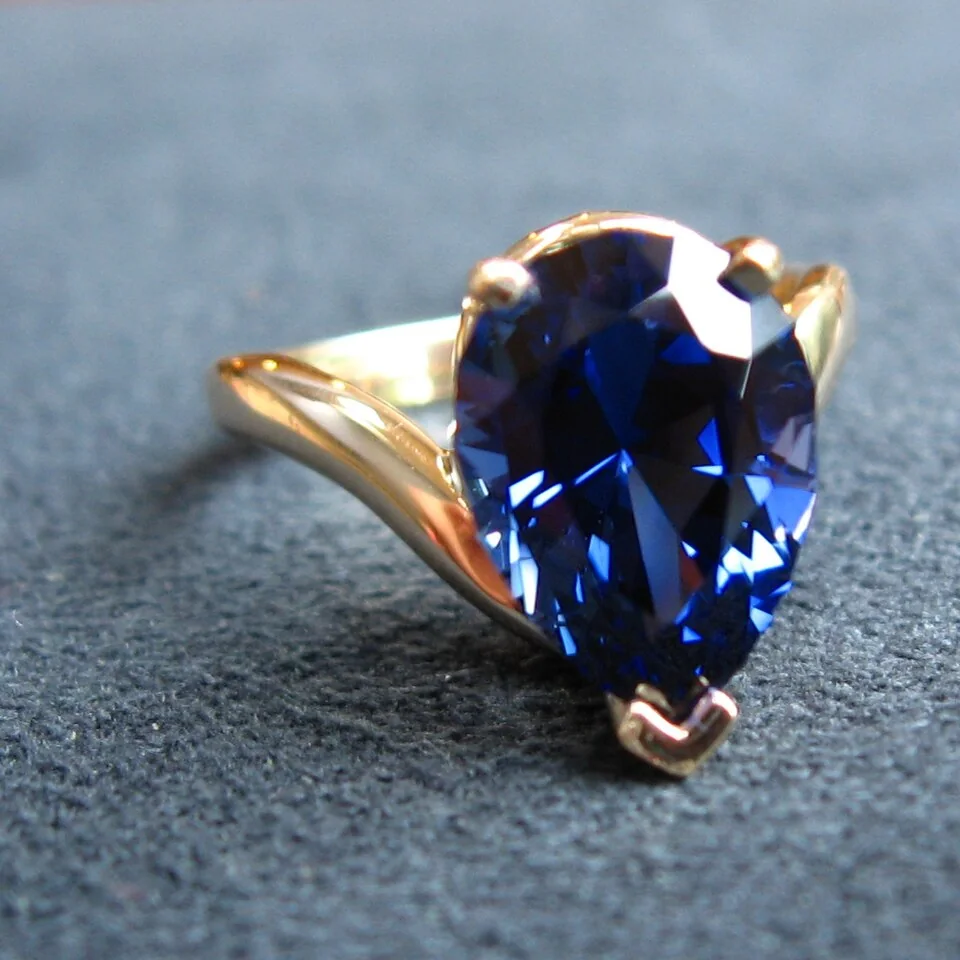
Which colored gemstones suit hands-on work?
Sapphire, ruby, spinel, and chrysoberyl are strong starting points, but the setting matters as much as the species. A low profile, protected edges, sound prongs, and removing the ring for impact-heavy work reduce risk.
Durable colored gemstones for work jewelry: the main distinctions
- Jewelry rules and task hazards come before gemstone selection.
- Corundum and spinel offer useful hardness/toughness properties.
- Exposed height and corners influence contact with objects.
Durable Colored Gemstones for an Active Workday
| Decision | Relevant distinction | What to examine |
|---|---|---|
| Workplace suitability | Jewelry rules and task hazards come before gemstone selection. | Remove rings where required or where they can interfere. |
| Stone candidates | Corundum and spinel offer useful hardness/toughness properties. | Inspect fractures and treatment for the actual gem. |
| Mounting | Exposed height and corners influence contact with objects. | Have the complete ring inspected and serviced. |
Decide whether a ring belongs at work at all
Follow the workplace’s own rules and remove jewelry for tasks where it can catch, interfere with protection or strike equipment. A gemstone hardness rating does not make a ring suitable around machinery. If jewelry is allowed, identify the real exposures: knocks, abrasives, gloves, cleaning agents and frequent hand washing. A pendant outside the work area or a ring worn off duty may be the better answer.
References: GIA: Sapphire Care Cleaning GIA: Ruby Care Cleaning GIA: Spinel Care Cleaning
Corundum and spinel are candidates, not guarantees
GIA describes ruby and sapphire as hard, tough ring materials, and spinel as a durable gem with good toughness. Their individual fractures and treatments still matter. A protected low mounting usually leaves less stone exposed than a high delicate one, but it cannot remove workplace risks. The guide to choosing daily ring materials focuses on normal wear rather than permission for heavy work.
References: GIA: Sapphire Care Cleaning GIA: Spinel Care Cleaning
Ask a jeweler about the finished setting
Before regular workday wear, check prong condition, exposed corners, fit and whether the mounting can be inspected and serviced. Discuss removal and storage rather than treating damage as inevitable. For jobs with abrasion, scratch-resistant gemstones explain the material distinction; for work involving impacts, scratch resistance alone is the wrong test. Clean according to the identified stone and treatment, not an all-jewelry machine setting.
Questions before choosing the finished piece
- Follow the workplace’s jewelry restrictions.
- Identify abrasion, impact and chemical exposures separately.
- Arrange safe removal/storage and periodic setting inspection.
Related Gemstone Questions
Sources and further reading
The GIA references below support the material and treatment distinctions discussed here. Design preferences and purchase-planning suggestions are editorial guidance; they are not individual stone identification, current price quotations or resale guarantees.
Found an error or missing attribution? Send a correction to Natural Gems Editorial.