Can You Identify a Lab-Grown Gemstone at Home?
You cannot reliably establish every gemstone’s natural or laboratory-grown origin at home. Use visible clues to frame questions, then seek an appropriate examination when origin matters.
Reviewed · Natural Gems Editorial
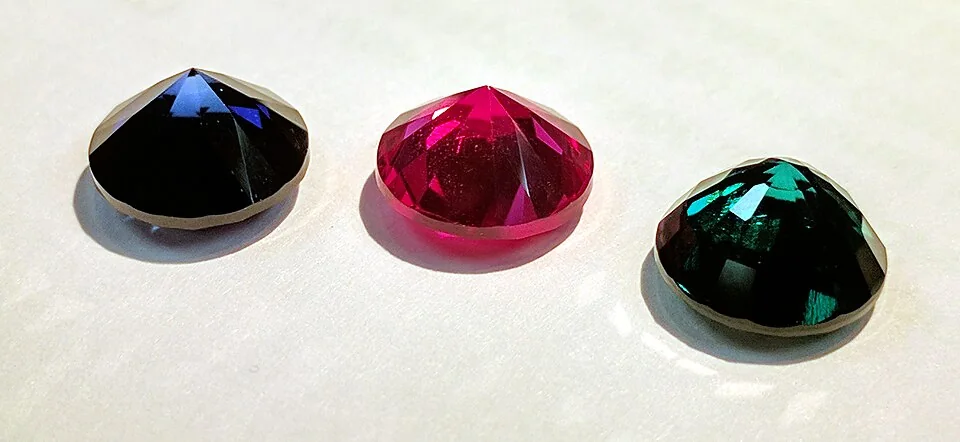
Can you reliably identify a lab-grown gemstone at home?
Document the seller’s claim and the stone’s details without destructive testing. A jeweler or gemological laboratory can select tests for the material; a photograph, scratch trick or single inclusion is not universal proof.
The limits of home observations
- Material identity and growth origin are separate questions.
- Visual clues do not prove every origin claim.
- Testing methods depend on the material and intended conclusion.
Choose evidence for the question being asked.
| Decision | What changes the answer | Action to take |
|---|---|---|
| Material identity | A lookalike and a laboratory-grown gem are different claims. | Establish what material is being offered. |
| Visible clue | A feature may need specialist interpretation. | Record it without making a conclusive origin claim. |
| Examination | The method depends on the gemstone and question. | Ask the examiner what the result will address. |
Identify the material before asking about origin
A simulant that resembles another gem and a laboratory-grown version of that gem are different possibilities. Start by recording the claimed species, measurements and any report. The natural versus laboratory-grown sapphire comparison shows how origin differs from treatment within one material.
References: GIA: How Colored Stones Are Analyzed
Treat visible clues as questions
Examine the listing and documentation for inconsistencies, but avoid declaring origin from color, clarity or one magnified feature. GIA’s laboratory process combines observations and, where needed, advanced instruments. A home loupe can help describe a feature without giving it a definitive interpretation.
References: GIA: How Colored Stones Are Analyzed
Choose an examination around the actual claim
Tell the examiner what you need resolved: material, natural or laboratory-grown origin, treatment, or an asserted geographic origin. Ask what can be established with the item mounted. For a diamond-versus-moissanite question, tester limitations address a narrower task. Before purchasing, ensure the return period permits examination.
References: GIA: How Colored Stones Are Analyzed
Before drawing an origin conclusion
- Save the original material and origin claims.
- Record measurements and the report number.
- Avoid scratch, flame or other damaging tests.
- Ask for an examination suited to the actual question.
Related Gemstone Questions
Sources and further reading
GIA describes a laboratory process that combines observations and suitable instruments. These references do not turn a home clue into definitive origin evidence.
Found an error or missing attribution? Send a correction to Natural Gems Editorial.