Natural vs Lab-Grown Sapphire: What Is Different?
Natural and laboratory-grown sapphire are both corundum. Their origin, identification features and rarity differ; the actual cut, treatment and condition still determine whether either stone suits your jewelry.
Reviewed · Natural Gems Editorial
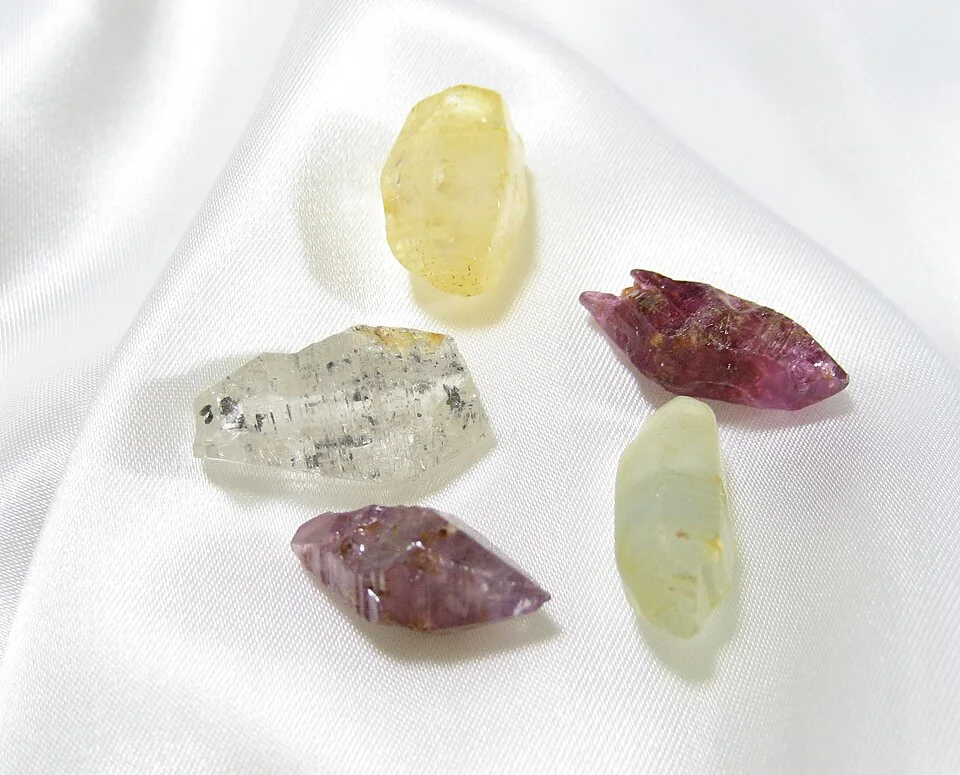
Is lab-grown sapphire as durable as natural sapphire?
Yes. Both are corundum with Mohs hardness 9, so origin does not create a basic durability difference. The meaningful distinctions are growth environment, inclusions, rarity, treatment history, disclosure, and market value.
Natural and lab-grown sapphire: the main distinctions
- Natural: geological growth. Lab-grown: controlled laboratory growth.
- Both are sapphire; GIA places corundum at Mohs 9.
- Growth features and laboratory testing address origin; appearance addresses preference.
Natural vs Lab-Grown Sapphire: What Is Different?
| Decision | Relevant distinction | What to examine |
|---|---|---|
| Origin | Natural: geological growth. Lab-grown: controlled laboratory growth. | Choose the origin you want without treating it as a cut-quality grade. |
| Wear | Both are sapphire; GIA places corundum at Mohs 9. | Treatment, fractures and mounting still need inspection. |
| Evidence | Growth features and laboratory testing address origin; appearance addresses preference. | Match the report to the actual stone and ask for treatment disclosure. |
Origin does not decide the quality of the cut
Natural sapphire crystallizes in the earth; synthetic sapphire is grown under controlled conditions. GIA explains that synthetic counterparts share essentially the same chemical, physical and optical properties as the natural material. A lab-grown sapphire is therefore not glass pretending to be sapphire. Equally, a natural stone can have a poor cut or distracting color zoning. Judge appearance and origin as separate choices.
References: GIA: Gem Synthetic GIA: Sapphire Care Cleaning GIA: Sapphire Quality Factor
Inclusions are evidence, not a home verdict
Growth features can help a trained gemologist distinguish natural and synthetic corundum, but a clean-looking stone is not proof of laboratory growth and inclusions are not proof of natural origin. Request a report appropriate to the value of a natural-origin claim. The limits of identifying lab-grown gems at home explain why a photograph or loupe observation cannot settle every case.
References: GIA: Gem Synthetic
Compare treatment and total cost separately
Ask for origin and treatment in writing, then compare similarly sized and cut stones rather than a natural label against a laboratory label alone. Heat treatment and fracture filling are different disclosures with different care implications; GIA warns that filled corundum needs special care. Review sapphire marketplace warning signs before paying for a rarity story, and agree an inspection period that permits independent examination.
References: GIA: Sapphire Care Cleaning GIA: Sapphire Quality Factor
Questions for comparing the actual stones
- Get natural or laboratory-grown origin written on the invoice.
- Compare face-up dimensions, cut and ordinary-light color together.
- Check treatment and the inspection/return window before payment.
Related Gemstone Questions
Sources and further reading
The GIA references below support the material and treatment distinctions discussed here. Design preferences and purchase-planning suggestions are editorial guidance; they are not individual stone identification, current price quotations or resale guarantees.
Found an error or missing attribution? Send a correction to Natural Gems Editorial.