Moissanite vs Diamond: What Home Tests Can and Cannot Prove
A home diamond tester can give misleading reassurance when it cannot distinguish moissanite. Use its result as limited evidence and seek professional identification when the answer matters.
Reviewed · Natural Gems Editorial
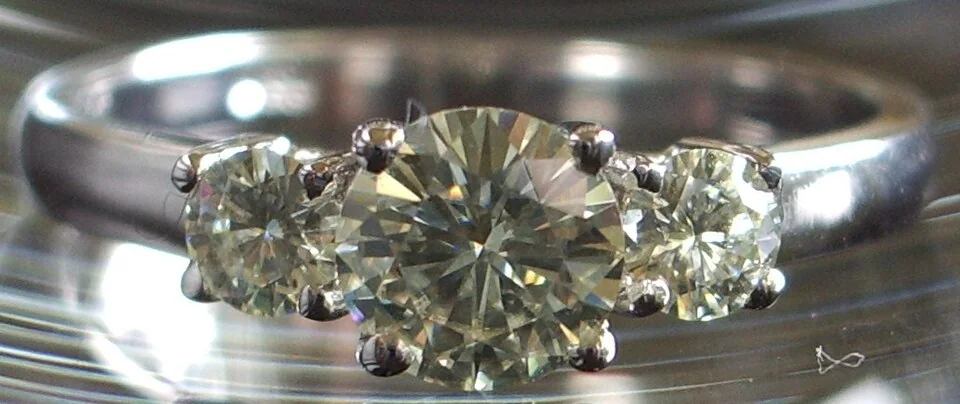
Can you tell moissanite from diamond at home?
A thermal-only response is not sufficient to separate diamond from moissanite. Check the instrument’s stated capabilities, avoid destructive tricks and obtain an examination for an uncertain or valuable stone.
A tester result has a limited meaning
- A thermal response does not supply every identity answer.
- Diamond identity and natural growth are separate questions.
- The instrument’s instructions matter to interpretation.
Separate a probe response from identification.
| Decision | What changes the answer | Action to take |
|---|---|---|
| Thermal-only probe | Its response may not distinguish the two materials. | Check the model’s stated limitations. |
| Appearance | Cut, light and mounting affect visible clues. | Do not declare identity from sparkle alone. |
| Confirmed diamond | Growth origin is still a separate question. | Ask whether the examination addresses natural or laboratory-grown origin. |
Know what the tester actually measures
GIA’s study of synthetic moissanite showed that its thermal behavior could make then-current diamond probes respond as though it were diamond. That finding concerns the measurement, not a guarantee about every current instrument. Read your model’s instructions and stated material limitations instead of treating a beep as a full identification report.
References: GIA: Synthetic Moissanite, a Diamond Substitute
Sparkle and a loupe cannot settle every case
Lighting, cut and mounting change what you can see. Do not use a photograph or the amount of rainbow sparkle to authenticate a stone. A professional examination can resolve the material question using suitable methods. Our home gemstone identification limits explain why a clue needs interpretation.
References: GIA: How Colored Stones Are Analyzed
Do not confuse material identity with growth origin
Even after a stone is identified as diamond, the natural or laboratory-grown question is separate. State both questions when arranging examination and keep the result with the purchase documents. Use online buying safeguards and return-period planning before buying an uncertain mounted stone.
References: GIA: How Colored Stones Are Analyzed
Before relying on a diamond tester
- Read the tester’s material capabilities.
- Avoid scratch, heat and other damaging tricks.
- Record the seller’s diamond and origin claims.
- Arrange professional identification if the result matters.
Related Gemstone Questions
Sources and further reading
GIA’s moissanite study documents thermal-probe limitations for the instruments it examined. A current tester’s capabilities must be checked in its own documentation.
Found an error or missing attribution? Send a correction to Natural Gems Editorial.