How to Evaluate an Online Gemstone Seller
Evaluate an online gemstone seller by the evidence and written terms for the actual item. No platform name, attractive photograph or certificate image guarantees a safe purchase.
Reviewed · Natural Gems Editorial
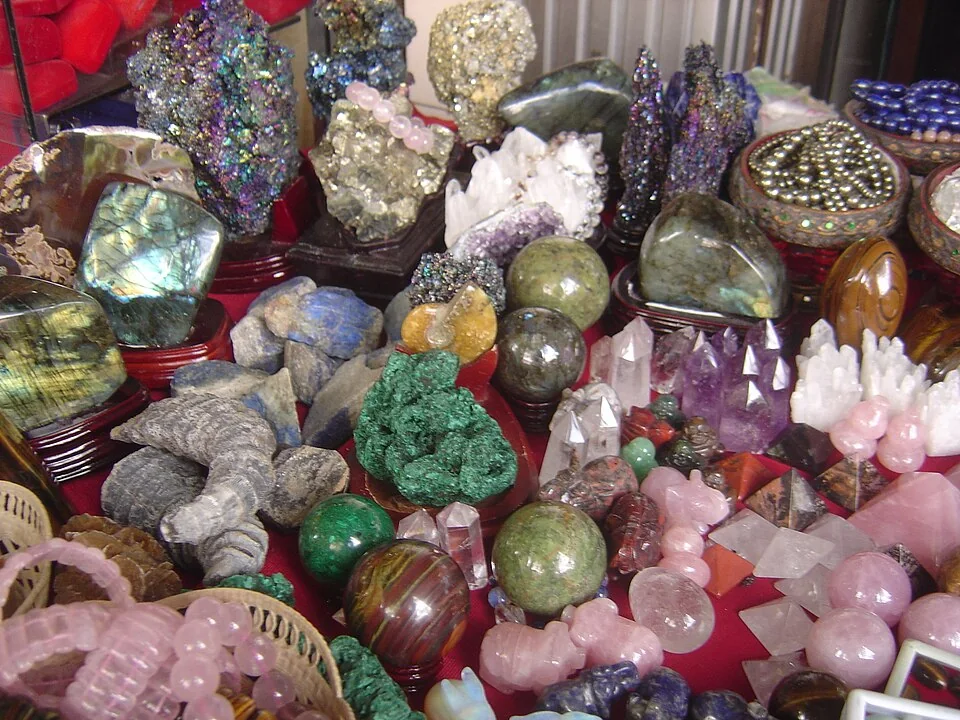
Where is it safest to buy gemstones online?
Look for clear identity and treatment disclosure, item-specific documentation, accessible seller details and workable examination and return terms. Resolve gaps before paying rather than relying on a universal list of trusted shops.
Evidence belonging to the actual item
- A platform badge cannot establish gemstone identity.
- Documentation must belong to the offered item.
- Current written terms are part of evaluating the purchase.
Evaluate the listing, documents and terms.
| Decision | What changes the answer | Action to take |
|---|---|---|
| Identity | A useful listing names the material and origin claim. | Request written details for the actual item. |
| Documentation | A laboratory record must be matched to the stone. | Verify the issuer and compare measurements. |
| Purchase terms | Examination and return plans need workable conditions. | Save the agreement before payment. |
Start with a stone-specific listing
Ask for the claimed material, natural or laboratory-grown status, treatment, measurements and photographs of the offered item. An attractive catalog page cannot answer every identification question. The home identification limits help distinguish a visible clue from evidence requiring examination.
References: GIA: How Colored Stones Are Analyzed
Verify documentation independently
Request the full report rather than only a certificate thumbnail. Use the laboratory’s own verification service and match the archived record to the listing. With sapphire, read the marketplace warning signs; with ruby, the report-reading guide explains which results are actually being claimed.
References: GIA: Report Check
Decide how you will examine and return the item
Save the item description and written seller answers before ordering. Confirm the time available for an independent examination, any exclusions and how a return would be authorized and shipped. If those answers are missing, delay the purchase. A recommendation about a seller should be based on current, item-specific evidence rather than an assumed permanent reputation. A step-by-step gemstone research routine connects intended wear, seller media, disclosure and inspection before you narrow the shortlist.
References: GIA: Ten Tips for Buying Jewelry
Before choosing an online gemstone seller
- Request identity and treatment in writing.
- Verify item-specific documentation.
- Ask how independent examination fits the deadline.
- Preserve the listing, payment and return records.
Related Gemstone Questions
Sources and further reading
GIA’s buying and analysis references support asking for independent evidence. This guide does not endorse a platform or guarantee an individual seller.
Found an error or missing attribution? Send a correction to Natural Gems Editorial.