How to Research Gemstone Jewelry in 2026
This 2026 guide describes a careful gemstone-buying method, not a survey of consumer behavior. Use photographs, reports and written terms to answer different questions before choosing a jewel.
Reviewed · Natural Gems Editorial
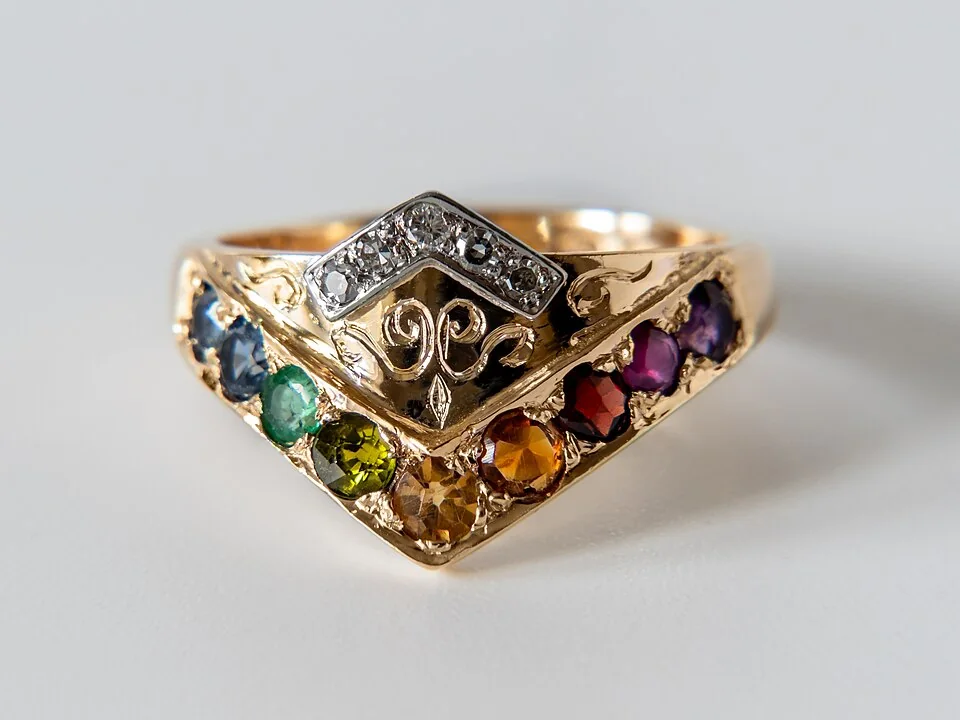
How can you research a gemstone jewelry purchase carefully?
No site-owned survey establishes how gemstone consumers changed in 2026. The suggested method is to define the intended wear, compare the actual stone, verify disclosure and understand inspection and return arrangements.
What the buying evidence establishes
- This guide provides a suggested research routine, not a consumer survey.
- Seller media, reports and purchase terms have different roles.
- A laboratory report cannot replace a chance to assess the mounted piece’s comfort.
Which evidence answers which purchase question
| Choice | What it addresses | Practical question |
|---|---|---|
| Photos and video | Visible presentation | Confirm they show the offered item. |
| Laboratory report | Observations within its scope | Match the identifying details. |
| Purchase terms | Inspection and return options | Resolve deadlines before paying. |
Start with wear rather than a marketplace
Decide whether the piece is a daily ring, occasional earring or pendant. GIA’s durability framework considers hardness, toughness and stability, rather than appearance alone. For a ring used frequently, daily-wear gemstone choices is a more useful starting point than assumptions about which marketplace is popular.
References: GIA: More Than the Mohs Scale
Give evidence a specific job
Use seller photographs and video to assess visible appearance and ask about lighting, scale and matching details. Use the written description for stated identity and treatment. Use a laboratory report for observations within its scope. A polished page cannot replace a laboratory result, and a report cannot show whether a mounted piece feels comfortable to you.
Compare origins without guessing from appearance
GIA distinguishes synthetic gem material from imitation. Neither an attractive photograph nor a high or low price proves origin. The colored laboratory-grown stone guide develops the disclosure questions without claiming one category is best for every buyer or showing a measured shift in demand.
References: GIA: An Introduction to Synthetic Gem Materials
Arrange inspection before paying
Ask whether you can examine the actual item or obtain independent testing within the return window. Resolve deadlines, costs and exclusions in written terms. The gemstone return-policy guide identifies questions to settle while buying remains optional. This is a suggested research routine, not evidence that consumers currently follow it.
Set up the inspection before paying
- Define intended wear before shortlisting.
- Collect written identity and treatment.
- Arrange adequate inspection time.
Related Gemstone Questions
Sources and further reading
Named references support the material, care or sourcing statements. Color combinations and future directions are editorial suggestions, not measured market findings. Individual jewels require individual assessment.
Found an error or missing attribution? Send a correction to Natural Gems Editorial.