Lab-Grown Colored Stones: Identity and Design Choices
Laboratory-grown colored stones have a different origin from natural stones. Compare the actual material, cut, treatment and disclosure; origin alone does not guarantee beauty, environmental benefit or resale value.
Reviewed · Natural Gems Editorial
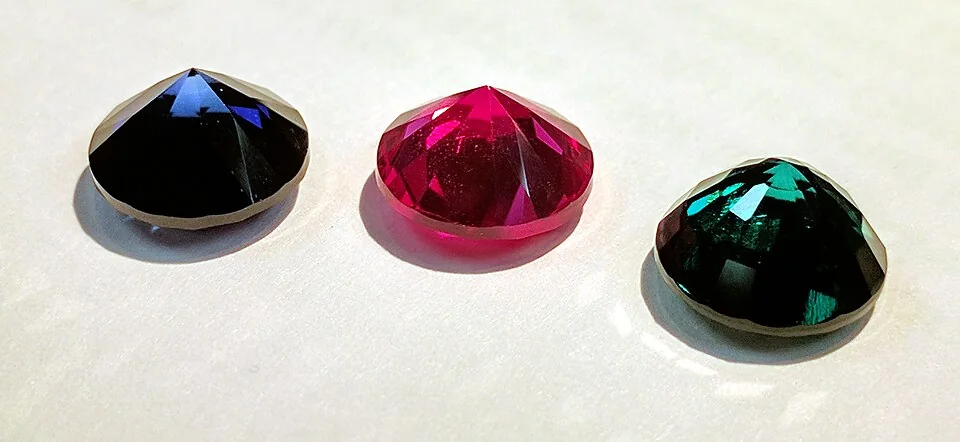
What should you know before choosing a lab-grown colored stone?
A laboratory-grown gem is made by people and shares essentially the properties of its natural counterpart. This guide discusses purchase choices, not measured market growth; laboratory-grown and imitation are different categories.
Laboratory-grown, natural and imitation distinctions
- GIA distinguishes laboratory-grown counterparts from different-material imitations.
- Origin alone does not establish the disclosed treatments.
- Market growth, environmental advantage and resale claims need their own evidence.
Origin categories and disclosure questions
| Choice | What it addresses | Practical question |
|---|---|---|
| Natural counterpart | Geological origin | Verify identity and disclosed treatments. |
| Laboratory-grown counterpart | Human-made origin | Request explicit origin and treatment disclosure. |
| Imitation | Different material with a similar appearance | Use care appropriate to the substitute. |
Read the complete material name
GIA describes synthetic gems as laboratory-made materials corresponding to their natural counterparts. An imitation instead resembles another gem while being a different material. Words such as created need a complete material description. The natural versus laboratory-grown sapphire comparison applies the distinction to one specific gemstone.
References: GIA: An Introduction to Synthetic Gem Materials
Choose the stone actually offered
Compare color, dimensions, cut and mounting on the actual item. A laboratory-grown label does not tell you whether you prefer its appearance or whether treatment is disclosed. Ask for matching media and written identity. The limits of home identification explains why appearance alone cannot establish origin.
Keep care attached to material and treatment
GIA’s sapphire guidance discusses durability and treatment-dependent cleaning precautions. Laboratory-grown sapphire remains sapphire; an unrelated blue substitute needs its own care assessment. Request instructions that name the material and treatments. Do not use a harsh home test to validate a label, since damage may occur without answering the question.
References: GIA Sapphire Care and Cleaning
Do not turn origin into a market promise
This page does not establish rising demand, predictable resale value or a universal environmental advantage. Ask for evidence when a seller makes those claims. Evaluate a larger colored design by its construction and disclosure normally. The 2027 design forecast treats future choices as possibilities rather than market findings.
Read the complete material description
- Read the full material and origin description.
- Ask separately about treatment and care.
- Request support for environmental or resale claims.
Related Gemstone Questions
Sources and further reading
Named references support the material, care or sourcing statements. Color combinations and future directions are editorial suggestions, not measured market findings. Individual jewels require individual assessment.
Found an error or missing attribution? Send a correction to Natural Gems Editorial.