Oiled Emeralds: Treatment, Care, and Value
Emerald oil treatment fills surface-reaching fissures to make them less conspicuous. The filling improves appearance; it does not remove the underlying fractures.
Reviewed · Natural Gems Editorial
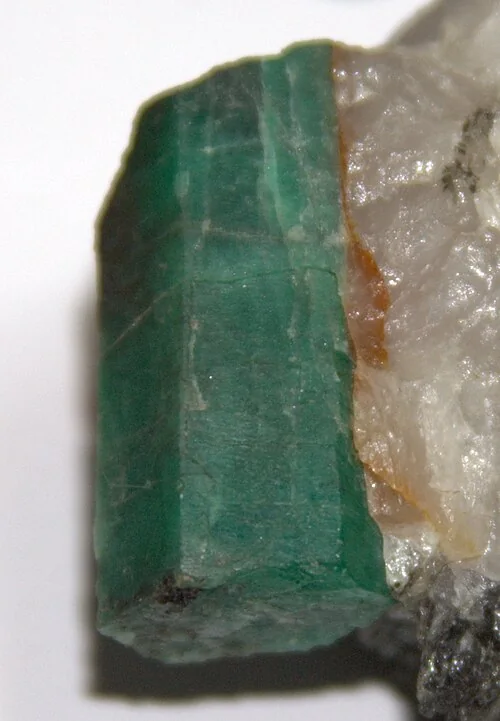
What does oil treatment do to an emerald?
Ask what filler is present and what a laboratory observed about clarity enhancement. Keep that information with the emerald and follow its cleaning limits rather than treating it like untreated corundum.
Separate filling from the emerald itself
- Filling and the underlying fractures are different things.
- Report wording is more useful than “enhanced” alone.
- Treatment history belongs in the maintenance record.
Read enhancement and maintenance together.
| Decision | What changes the answer | Action to take |
|---|---|---|
| Appearance | Filling can make surface-reaching fissures less conspicuous. | Separate improved clarity from the underlying condition. |
| Report wording | The laboratory describes observed enhancement. | Read the exact description rather than a seller’s shorthand. |
| Maintenance | Filler history affects care and repair. | Keep disclosure available for the jeweler. |
Read the report beside the seller’s description
“Oiled” should not end the discussion. Ask for the filler description, the report and any stated extent of clarity enhancement. Compare those details with the actual stone and invoice. A seller’s attractive photograph does not identify the material or prove a treatment claim; our online emerald checks address that separate question.
References: GIA: An Introduction to Gem Treatments
A clearer fissure remains a fissure
GIA explains that emerald fillers can deteriorate or change in appearance. Plan wear and maintenance around the documented condition, not only the improved face-up appearance. This is also why a treatment description matters when comparing enhancement and value.
References: GIA: Emerald Care and Cleaning
Keep the filling history for cleaning and repair
Give the jeweler the report before work begins, including information about previous filling if available. Do not try to add household oil or conceal a change in appearance. For routine dirt, use the gentle emerald cleaning method and stop when the stone or mounting needs professional examination.
References: GIA: Emerald Care and Cleaning
What an oiled emerald actually contains
An oiled emerald has a filler in surface-reaching fissures to make those openings less conspicuous. The fissures remain: a clearer-looking stone has not become an unfractured one. Oil treatment changes the appearance of the existing emerald; it does not turn an imitation into natural beryl. GIA describes clarity enhancement as minor, moderate, or significant, and stresses that this describes treatment extent rather than an overall clarity grade.
References: GIA: Emerald Care and Cleaning GIA: An Introduction to Gem Treatments
Is there a best oil for emeralds?
Colorless cedarwood oil has a long history in emerald treatment, documented in GIA research on Colombian emeralds. That history is not a recommendation to oil a finished jewel at home. The useful question is which filler is already present, how extensive the filling is, and what care that particular stone needs. Oil and resin are different materials, and an uncertain treatment history calls for examination before further work. Ask a gemologist or an experienced emerald specialist rather than choosing a household oil.
References: GIA: Emerald Care and Cleaning GIA: An Introduction to Gem Treatments
Emerald cleavage and the fractures that matter in wear
When judging an emerald for a ring, visible fissures and vulnerable corners deserve more attention than a hardness number alone. Cleavage describes splitting along a crystallographic plane; a fracture can develop along other directions. Neither term tells you the condition of an individual stone from a photograph. GIA notes that inherent fractures make emerald more brittle than corundum. A clipped-corner emerald cut can help protect vulnerable corners, but it cannot remove internal weaknesses. The distinction between hardness and resistance to chipping explains why scratch resistance is only part of durability.
References: GIA: Emerald Care and Cleaning GIA: An Introduction to Gem Treatments
Cleaning an emerald without disturbing its filling
GIA recommends warm, soapy water with gentle cleaning for emeralds and warns against ultrasonic and steam cleaning. Heat can extend fractures, while light and chemicals can alter some fillers. If fissures become more noticeable, avoid trying to hide them with oil at home; have the stone examined. For handling a mounted piece, see gentle emerald jewelry cleaning.
References: GIA: Emerald Care and Cleaning GIA: An Introduction to Gem Treatments
Before choosing or refilling an emerald
- Request the report and exact treatment wording.
- Match the report to the stone’s description and measurements.
- Keep records of any later treatment work.
- Avoid household refilling and aggressive cleaning.
Related Gemstone Questions
Questions about emerald oil treatment
Does oil treatment make an emerald stronger?
No. Filling makes surface-reaching fissures less conspicuous; the underlying fractures remain. A clearer appearance is not evidence that the stone can tolerate rougher wear.
Can I restore an emerald with oil at home?
Avoid adding household oil or trying to refill a mounted emerald yourself. Have the stone examined so its existing filler, condition, and setting can be considered before further work.
Sources and further reading
GIA’s emerald and treatment references explain fracture filling and its care limitations. Additional references below support the retained emerald answers.
Found an error or missing attribution? Send a correction to Natural Gems Editorial.