Garnet vs Ruby: Choosing a Red Gem on a Budget
A red garnet and a ruby can both make compelling jewelry. Ruby gives greater scratch resistance; a garnet choice depends on its variety, color and intended wear rather than its resemblance to a more expensive name.
Reviewed · Natural Gems Editorial
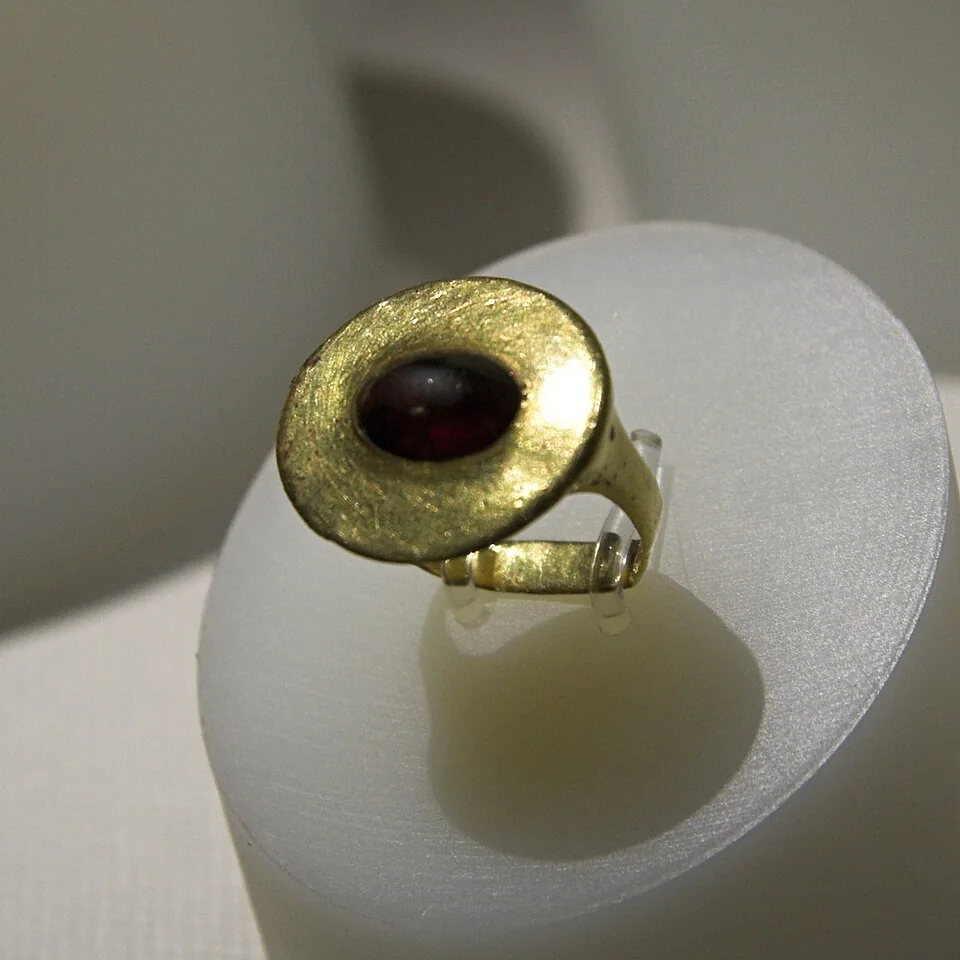
Is garnet a good alternative to ruby?
Garnet can offer beautiful natural red at a lower price, especially when cut to avoid dark extinction. Ruby is harder, rarer in fine quality, and more likely to require careful treatment disclosure and laboratory documentation.
Garnet and ruby budget red gemstones: the main distinctions
- Garnet: a mineral group with several gem varieties. Ruby: red corundum.
- GIA: garnet 6.5–7.5 by type; ruby 9.
- Size, color, cut and disclosure all affect the purchase.
Garnet vs Ruby: Choosing a Red Gem on a Budget
| Decision | Relevant distinction | What to examine |
|---|---|---|
| Identity | Garnet: a mineral group with several gem varieties. Ruby: red corundum. | Ask for the variety and avoid color-only descriptions. |
| Hardness | GIA: garnet 6.5–7.5 by type; ruby 9. | Plan ring use more cautiously for garnet. |
| Budget comparison | Size, color, cut and disclosure all affect the purchase. | Compare the complete piece instead of assuming a fixed price ratio. |
Garnet is a group; ruby is red corundum
Ask which garnet variety is offered instead of accepting only the word red. GIA explains that garnet hardness varies with type, so one garnet’s wear behavior should not be assumed for every garnet. Ruby is corundum. Both can be chosen for their own color; red appearance alone does not establish the identity or justify a ruby price.
References: GIA: Garnet Care Cleaning
Use the budget to compare finished outcomes
Choose a desired face-up size and look at stones within that boundary, including cutting and treatment disclosure. A dark large stone may be less enjoyable than a smaller one with a color you can see indoors. The guide to gem choices below $500 separates the loose-stone budget from setting cost. It does not promise a fixed ruby size or an enduring market price.
References: GIA: Garnet/Buyers Guide
Daily rings make durability differences matter
GIA rates ruby at Mohs 9 and garnets at roughly 6.5–7.5 depending on type. Garnets need protection from rough wear and hard blows; ruby’s durability advantage can be reduced by fracture filling. Review ruby documentation and treatment observations when identity or filling affects your decision. For a pendant worn gently, the preferred color may deserve more weight than maximum scratch resistance.
References: GIA: Garnet Care Cleaning
Questions for comparing the actual stones
- Specify garnet variety or ruby identity in writing.
- Look at the actual red color in indoor light.
- Inspect filling disclosure and setting protection for a daily ring.
Related Gemstone Questions
Sources and further reading
The GIA references below support the material and treatment distinctions discussed here. Design preferences and purchase-planning suggestions are editorial guidance; they are not individual stone identification, current price quotations or resale guarantees.
Found an error or missing attribution? Send a correction to Natural Gems Editorial.