Gemstones from $500 to $1,000: Where the Value Goes
A $500–$1,000 budget is a spending limit in US dollars for the purchase you define: a loose gemstone or a complete piece of jewelry. Decide whether color, cutting, size or mounting matters most before comparing current offers.
Reviewed · Natural Gems Editorial
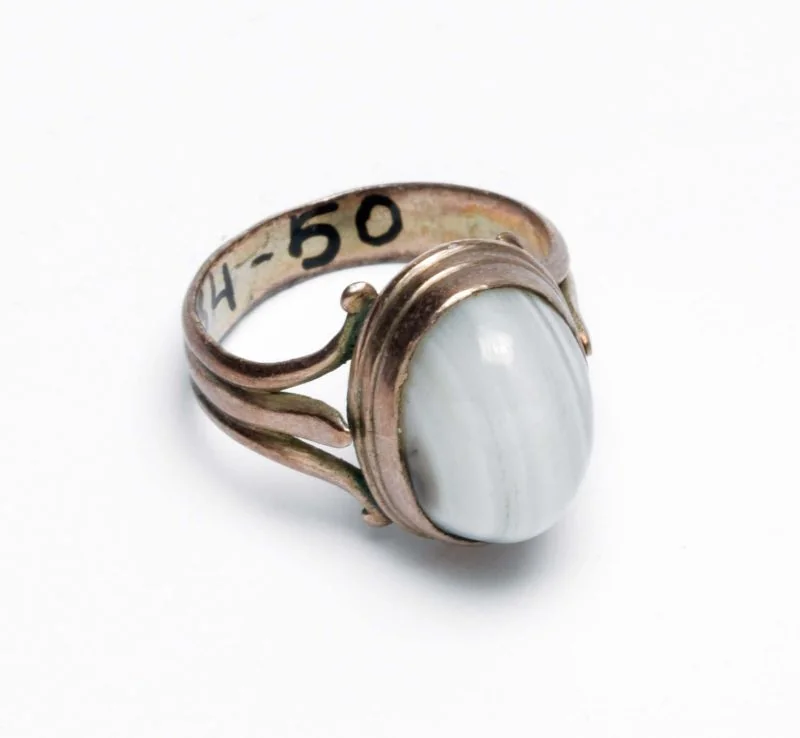
What can $500 to $1,000 buy in a natural gemstone?
A $500–$1,000 gemstone budget is a spending limit, not a guarantee of a particular species, carat weight or quality. Its useful meaning depends first on whether it covers a loose stone or the complete jewel. For finished jewelry, subtract the agreed mounting, metal, fitting and delivery costs before comparing center stones. Then decide what you want the remaining allowance to improve: color you enjoy indoors, a more pleasing cut, suitable visible dimensions or stronger supporting documentation. Compare actual current offers with the same material and treatment description; paying more for extra weight or a rarer name is not automatically a better result. An identification report also does not promise resale value.
Gemstones from 500 to 1000: the main distinctions
- An increase may buy a different color, cut, size or mounting.
- Two equal carat weights may have different visible dimensions.
- The finished jewel may need fitting and future maintenance.
Gemstones from $500 to $1,000: Where the Value Goes
| Decision | Relevant distinction | What to examine |
|---|---|---|
| Extra spending | An increase may buy a different color, cut, size or mounting. | Identify the specific improvement you value. |
| Comparability | Two equal carat weights may have different visible dimensions. | Compare face-up appearance and treatment together. |
| Total ownership | The finished jewel may need fitting and future maintenance. | Ask what is included in the quoted total. |
Decide what the extra allowance should improve
Compared with a smaller budget, the useful question is what a particular offer adds: color you prefer, a cut with fewer distracting dark areas, a serviceable mounting or stronger documentation. None is guaranteed by the price band. If moving up from a purchase below $500, compare a specific lower-priced alternative rather than assuming every more expensive stone is visibly better.
Ask for comparable offers, not a price-per-carat shortcut
Compare stones with similar face-up dimensions, identity, treatment and intended use. GIA’s tourmaline quality guidance shows that color, cutting and shape influence how a stone is judged; a weight-only comparison misses the appearance you will wear. Ask why the seller values one stone differently and which claim can be independently documented. Do not confuse a laboratory identification report with a promised resale return.
References: GIA: Tourmaline Quality Factor GIA: Sapphire Quality Factor
Keep the mounting and future service inside the plan
If the allowance covers jewelry, confirm metal, fitting, setting security and repair arrangements before allocating everything to the center stone. Choose a mounting that suits the material rather than copying a photograph of a different gem. For a daily ring, everyday gemstone choices put wear ahead of extra size. Retain invoices, disclosure and the agreed inspection terms with the jewelry records.
When the less expensive offer is the more useful purchase
Suppose two current offers fit the budget: one has extra weight but a dark center you dislike indoors, while the other is smaller and shows the preferred color when worn. The smaller choice may better serve your goal, even though the weight-only comparison favors the larger stone. This is a purchase decision to make from the actual gems, not a market-price prediction. GIA’s sapphire and tourmaline quality discussions explain why color and cutting matter alongside weight. If the larger stone also needs a costlier mounting, compare both complete totals before deciding. Spend more only when you can name the improvement and verify any identity, treatment or origin claim used to justify it.
References: GIA: Sapphire Quality Factor GIA: Tourmaline Quality Factor
Questions before choosing the finished piece
- Identify the benefit you expect from spending more.
- Compare similarly described current offers.
- Reserve the agreed fitting and mounting costs within the ceiling.
Related Gemstone Questions
Sources and further reading
The GIA references below support the material and treatment distinctions discussed here. Design preferences and purchase-planning suggestions are editorial guidance; they are not individual stone identification, current price quotations or resale guarantees.
Found an error or missing attribution? Send a correction to Natural Gems Editorial.