Gemstones for Minimalist Jewelry
Minimalist gemstone jewelry depends on proportion, a stone you enjoy in ordinary light and a secure setting. A small number of visible elements makes the individual gem and mounting especially noticeable.
Reviewed · Natural Gems Editorial
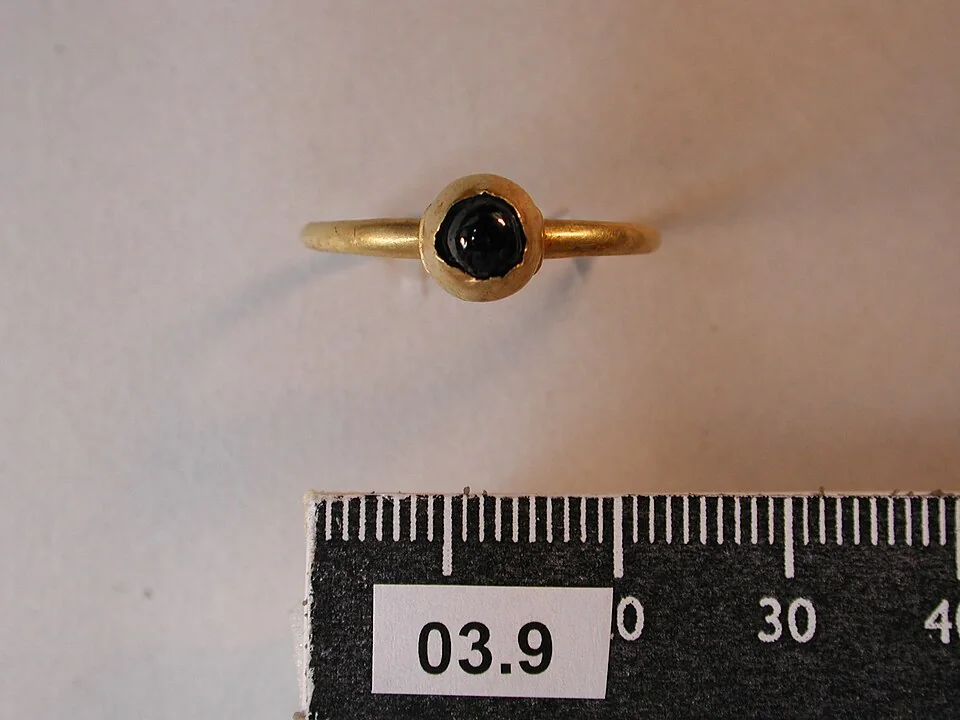
What makes a gemstone work in minimalist jewelry?
Choose a stone with enough saturation and clean face-up cutting to remain visible at a small scale. A simple bezel, flush setting, or compact prong design should protect the gem without smothering its color.
Gemstones for minimalist jewelry: the main distinctions
- Stone dimensions and metal outline create the visible balance.
- A visually spare setting still must hold the stone securely.
- The individual color and cut remain prominent.
Gemstones for Minimalist Jewelry
| Decision | Relevant distinction | What to examine |
|---|---|---|
| Proportion | Stone dimensions and metal outline create the visible balance. | Try the actual scale on the intended wearer. |
| Security | A visually spare setting still must hold the stone securely. | Ask how edges, corners and fastenings are protected. |
| Gem appearance | The individual color and cut remain prominent. | Inspect motion and ordinary indoor light before choosing. |
Decide which element should carry the design
A single gem can provide color, a cabochon can provide a softer surface, and a narrow metal outline can make the setting part of the composition. Try actual dimensions rather than judging a close-up photograph. Minimalism does not require the smallest available stone; it requires a scale and amount of detail that feel right to the wearer. The discussion of proportion in men’s jewelry offers examples of broader pieces without assigning materials to a gender. For a moving sheen rather than a faceted appearance, compare opal and moonstone gift pieces.
Fewer prongs are a design decision with consequences
Ask a jeweler how the stone is held, which edges remain exposed and whether the mounting can be tightened or repaired. A barely visible setting is not necessarily a protective one. GIA’s topaz guide emphasizes cleavage and protective mountings, while sapphire offers different durability properties. For a ring worn often, daily ring material choices help keep appearance and maintenance in the same decision.
References: GIA: Topaz Care Cleaning GIA: Sapphire Care Cleaning GIA: Sapphire Quality Factor
Let the gem’s actual appearance settle the choice
Inspect the center as the stone moves: a cut with a distracting window or dark patch may be hard to ignore in a plain design. Do not require every inclusion to disappear if you enjoy the stone’s character; assess condition separately. For an engagement piece, minimal colored-ring design adds sizing and long-term-wear considerations. Keep identity and treatment disclosure even when the visual design is uncomplicated.
Questions before choosing the finished piece
- Try the real dimensions instead of relying on a close-up.
- Ask how a subtle setting can be inspected and repaired.
- Check the actual color and center of the stone while moving it.
Related Gemstone Questions
Sources and further reading
The GIA references below support the material and treatment distinctions discussed here. Design preferences and purchase-planning suggestions are editorial guidance; they are not individual stone identification, current price quotations or resale guarantees.
Found an error or missing attribution? Send a correction to Natural Gems Editorial.