Spinel vs Sapphire for an Engagement Ring
Spinel and sapphire are both useful colored-ring candidates. Sapphire has greater scratch resistance; spinel can offer a preferred color and appearance, but treatment and the individual stone still need assessment.
Reviewed · Natural Gems Editorial
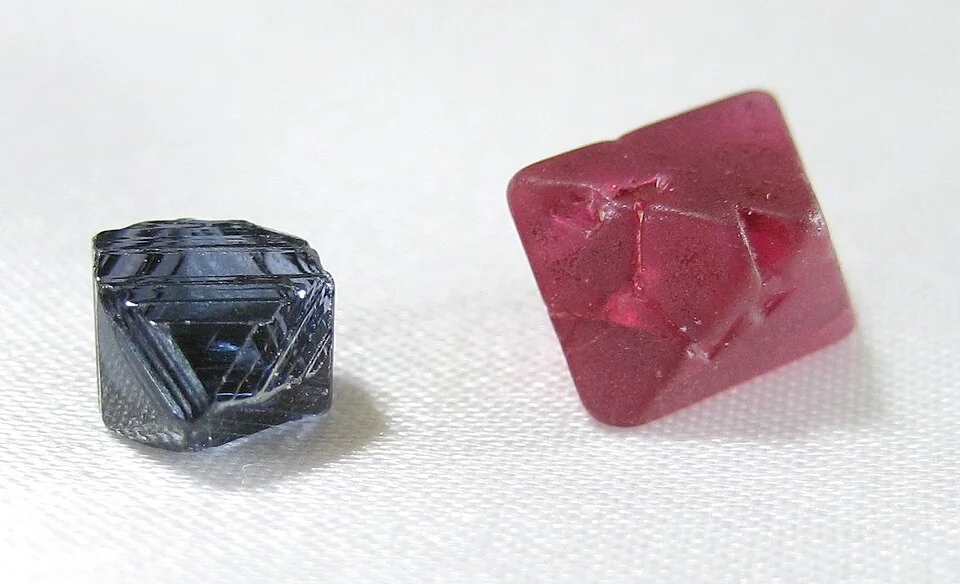
Is spinel or sapphire better for an engagement ring?
Sapphire is harder and more familiar in daily-wear jewelry. Spinel is also durable, often untreated, and can offer vivid color with a lighter, lively appearance. The better choice depends on the individual stone and setting.
Spinel and sapphire engagement rings: the main distinctions
- Spinel: Mohs 8. Sapphire: Mohs 9.
- GIA describes spinel as good and corundum as excellent.
- Neither species label is a complete treatment history.
Spinel vs Sapphire for an Engagement Ring
| Decision | Relevant distinction | What to examine |
|---|---|---|
| Hardness | Spinel: Mohs 8. Sapphire: Mohs 9. | Sapphire has the advantage for scratch resistance. |
| Toughness | GIA describes spinel as good and corundum as excellent. | Condition and setting still matter for either ring. |
| Treatment | Neither species label is a complete treatment history. | Request written disclosure for the specific stone. |
Shortlist by color before making a species rule
Compare spinel and sapphire with similar face-up sizes in the intended mounting. Either can have dark areas, weak cutting or a color you do not enjoy indoors. A species label cannot choose the right individual stone. If your shortlist is pink rather than blue, morganite and pink sapphire offer another comparison with a different durability compromise.
References: GIA: Spinel Care Cleaning GIA: Sapphire Care Cleaning
Sapphire is harder; spinel still merits consideration
GIA rates spinel at Mohs 8 with good toughness, while sapphire is 9 with excellent toughness and no cleavage. The higher sapphire hardness helps against scratching; it does not guarantee that any particular sapphire ring survives a blow. Ask about vulnerable inclusions and setting exposure. Compare scratch-resistant ring materials if abrasion is your main concern rather than choosing on color alone.
References: GIA: Spinel Care Cleaning GIA: Sapphire Care Cleaning
Do not assume every spinel is untreated
GIA notes that some spinel can be heat treated and that fracture filling, though uncommon, can occur. Sapphire also has several treatment possibilities. Ask for disclosure for the actual stone instead of relying on a general reputation for either species. A report, written treatment statement and a useful inspection period are more dependable than a seller’s blanket assurance that the material never needs verification.
References: GIA: Spinel Care Cleaning GIA: Sapphire Care Cleaning GIA: Gem Treatment
Questions for comparing the actual stones
- Compare actual color and cut in the intended metal.
- Inspect inclusions and setting exposure before daily use.
- Request treatment evidence without assuming untreated status.
Related Gemstone Questions
Sources and further reading
The GIA references below support the material and treatment distinctions discussed here. Design preferences and purchase-planning suggestions are editorial guidance; they are not individual stone identification, current price quotations or resale guarantees.
Found an error or missing attribution? Send a correction to Natural Gems Editorial.