Matching Fashion Colors with Real Gemstones
A fashion palette is a starting point for a jewel. Match a hue you enjoy to an actual stone, then consider the cut, setting and care that come with it.
Reviewed · Natural Gems Editorial
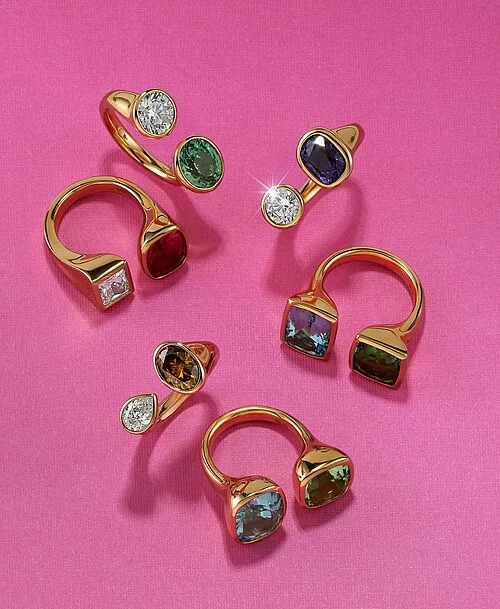
How should you match a fashion color to a gemstone?
Matching fashion colors to gemstones is design interpretation, not evidence that a particular material is most popular. Compare the proposed jewel with your clothing in the light where you will wear it.
Color matching without identity shortcuts
- A clothing palette is a visual reference, not evidence of gemstone identity.
- Compare the fabric, actual jewel and proposed metal together.
- GIA separates durability into hardness, toughness and stability; a color match does not answer those questions.
Three ways to connect color with clothing
| Choice | What it addresses | Practical question |
|---|---|---|
| Close hue | Echoes the garment | Compare fabric and jewel together. |
| Contrasting hue | Creates a deliberate accent | Check the combination at normal viewing distance. |
| Pale small stone | May give a quieter effect | Judge a mounted sample, not a magnified image. |
Use the garment as your reference
Bring the actual fabric when comparing stones. A blue-green blouse might invite a similar gemstone hue or a contrasting accent; neither is objectively better. Look at the whole mounted piece rather than a tightly cropped loose stone. The late-summer 2026 color ideas suggest combinations without claiming measured demand.
Choose contrast before a mineral name
Decide whether you prefer a close hue, a neighboring color or a deliberate contrast. A small vivid stone and a large pale stone perform different visual jobs. A palette name does not establish identity, treatment or natural origin. If the intended jewel is small and restrained, minimalist gemstone choices helps connect color with proportion.
Compare the stone and metal together
Ask to see the actual metal finish beside the gem. Treat your preferred combination as a visual judgment, not a universal rule about warm or cool metals. If recycled gold matters, separate appearance from the documentation discussed in gemstone pairings with recycled gold.
Let care narrow the final choice
GIA evaluates gemstone durability through hardness, toughness and stability. Color alone leaves scratching, breakage and environmental sensitivity unanswered. Before commissioning a ring, ask which treatments are present, what cleaning method is appropriate and how exposed edges are protected. A convincing color match should also fit the care you can realistically maintain.
References: GIA: More Than the Mohs Scale
Choose the color relationship before the stone
- Choose an actual outfit as the reference.
- Compare gem, scale and metal together.
- Get identity, treatment and care in writing.
Related Gemstone Questions
Sources and further reading
Named references support the material, care or sourcing statements. Color combinations and future directions are editorial suggestions, not measured market findings. Individual jewels require individual assessment.
Found an error or missing attribution? Send a correction to Natural Gems Editorial.