Choosing Gemstone Colors for Olive Skin Tones
There is no gemstone color that every olive skin tone should wear. Compare the actual stone, metal and clothing in normal light, then choose the combination you enjoy rather than a rigid complexion rule.
Reviewed · Natural Gems Editorial
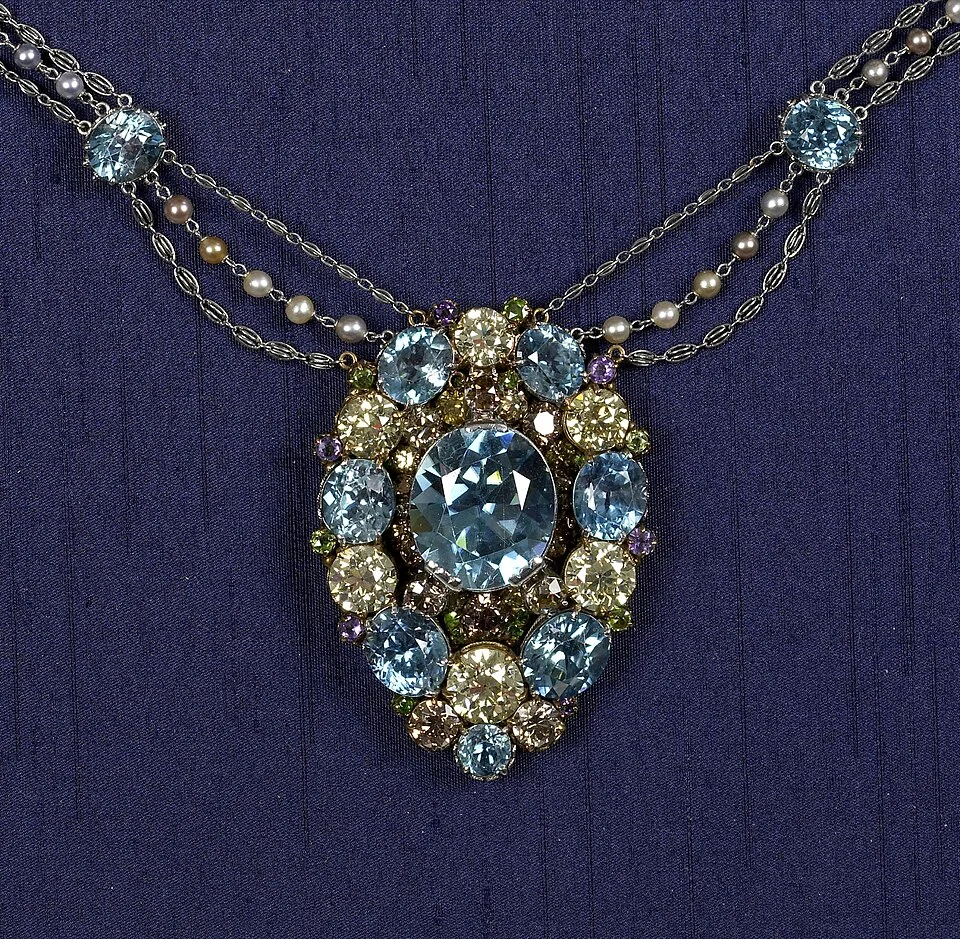
Which gemstone colors complement olive skin?
Rich greens, saturated blues, warm reds, golden tones, and many pinks can all work, but olive complexions vary. Compare the actual stone against the skin in daylight and warm indoor light before relying on a color chart.
Gemstones for olive skin tone: the main distinctions
- Olive skin is not a single uniform color or style preference.
- Stone, metal and clothing form the visible palette.
- A flattering appearance says nothing about durability.
Choosing Gemstone Colors for Olive Skin Tones
| Decision | Relevant distinction | What to examine |
|---|---|---|
| Personal preference | Olive skin is not a single uniform color or style preference. | Compare actual combinations instead of following a universal rule. |
| Lighting | Stone, metal and clothing form the visible palette. | Use daylight and ordinary indoor light with the intended metal. |
| Wear suitability | A flattering appearance says nothing about durability. | Check material and treatment for the jewelry form. |
Compare yellow, white and rose metal on your own skin
Hold comparable pieces against the skin in ordinary daylight and indoor light. Yellow metal can create a warmer-looking combination, white metal a different contrast, and rose metal a pinker surrounding color; which effect you enjoy depends on the actual stone and your preference. No metal is scientifically best for every olive complexion. Include clothing you often wear and avoid choosing only from photographs with altered white balance.
Ask whether the stone keeps the color you chose
A gem can look different as viewing angle and light change. GIA’s sapphire and tourmaline quality guidance discusses color and cutting, so assess the individual stone rather than assuming all examples of a variety appear alike. Check for dark or pale areas that distract from the desired effect. For a quiet design, gemstones in minimalist jewelry brings scale and setting into that visual choice.
References: GIA: Sapphire Quality Factor GIA: Tourmaline Quality Factor GIA: Sapphire Care Cleaning
Choose the jewelry use after narrowing the palette
Once a color combination appeals, check whether its material suits a daily ring, pendant or occasional piece. A preferred hue does not override cleavage, fractures or treatment care. The guide to gems for everyday rings addresses wear rather than complexion. Ask for identity and treatment disclosure and try the complete piece before relying on a color-category label.
Questions before choosing the finished piece
- Try the gem with the intended metal and familiar clothing.
- Compare the look in more than one ordinary light source.
- Check wear suitability after choosing the preferred palette.
Related Gemstone Questions
Sources and further reading
The GIA references below support the material and treatment distinctions discussed here. Design preferences and purchase-planning suggestions are editorial guidance; they are not individual stone identification, current price quotations or resale guarantees.
Found an error or missing attribution? Send a correction to Natural Gems Editorial.