Quiet Gemstone Jewelry: Letting Material Lead
Quiet gemstone jewelry is a preference for proportion, color and restrained ornament. A subtle appearance does not prove quality, rarity or natural origin.
Reviewed · Natural Gems Editorial
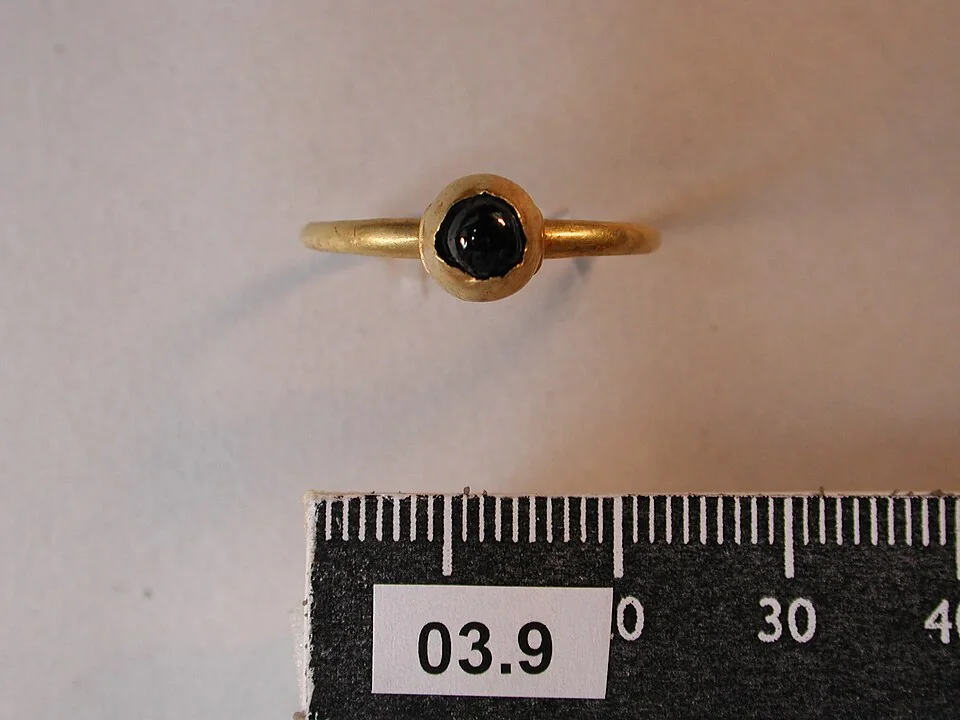
What makes gemstone jewelry feel quietly refined?
Quiet luxury is used here as a style label for understated gemstone pieces. Judge the actual cut, mounting, disclosure and fit rather than assuming a discreet design is expertly made or expensive.
Understatement without assumptions
- Limited branding cannot establish natural origin or craftsmanship.
- Restrained ornament can make fit and finish easier to notice.
- Gem treatment and metal provenance require evidence separate from a style label.
Ways to create a restrained jewel
| Choice | What it addresses | Practical question |
|---|---|---|
| Restrained color | A controlled accent | Compare with everyday clothing. |
| Clean outline | Fewer visual distractions | Examine fit and finish. |
| Discrete branding | A presentation preference | Still request material evidence. |
Choose the detail you want to notice
Decide whether color, shape or texture should attract attention first. A small pendant and a broad pale ring create different kinds of restraint; neither is objectively superior. Minimalist gemstone choices helps turn that preference into an appropriate scale and material rather than a shopping label.
Inspect what simplicity leaves visible
Look at symmetry, stone fit and surfaces that catch on clothing. These observations help form questions for the jeweler; they are not a professional inspection or proof of durability. For an engagement ring, restrained colored-ring designs gives a more specific sequence for trying proportions and discussing protection.
Treat disclosure as part of quality
An understated label does not establish natural origin, absence of treatment or responsible sourcing. Obtain those statements separately and keep the written description. GIA’s durability framework distinguishes scratching, breakage and stability, so a small or discreet jewel still needs material-specific care. Ask which cleaning routine suits the individual stone.
References: GIA: More Than the Mohs Scale
Separate metal appearance from provenance
A soft finish or warm color can suit the design without proving where the metal came from. If recycled content matters, recycled-gold gemstone pairings keeps sourcing evidence separate from visual choices. A lack of prominent branding should not replace inspection or documentation.
Inspect the quiet details
- Name the detail you want to emphasize.
- Inspect at normal distance and close up.
- Keep sourcing and treatment separate from style labels.
Related Gemstone Questions
Sources and further reading
Named references support the material, care or sourcing statements. Color combinations and future directions are editorial suggestions, not measured market findings. Individual jewels require individual assessment.
Found an error or missing attribution? Send a correction to Natural Gems Editorial.