Sapphire vs Ruby for an Engagement Ring
Ruby and sapphire are both corundum, but their colors and individual treatment histories differ. Compare the actual stones and their mountings before choosing a ring for long-term daily wear.
Reviewed · Natural Gems Editorial
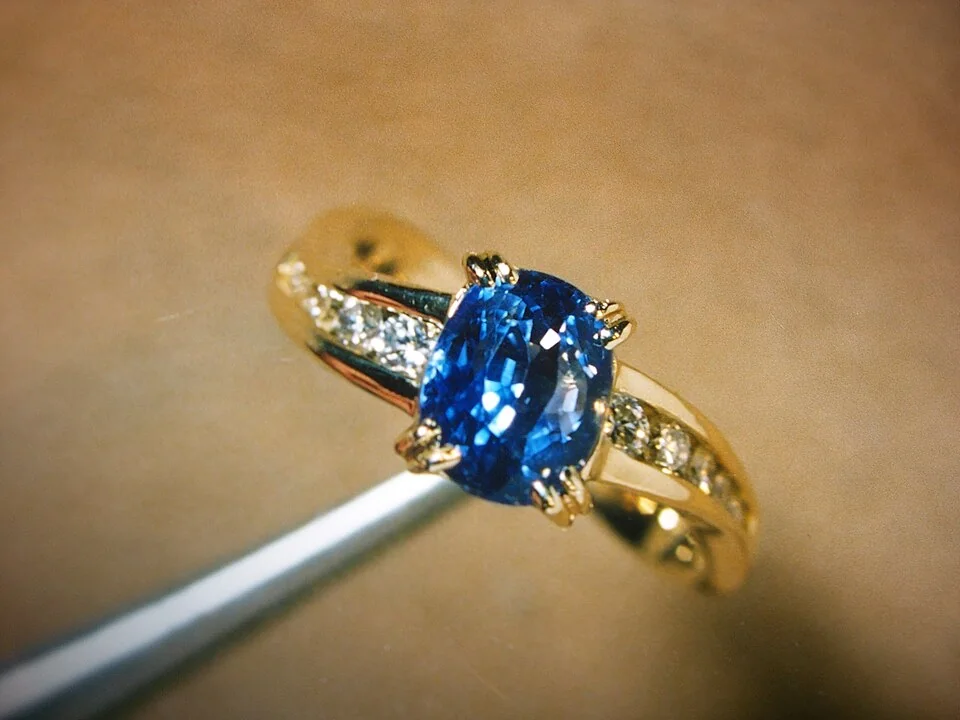
Is ruby or sapphire better for an engagement ring?
Both are durable corundum at Mohs 9. Sapphire offers a broader color and budget range; fine ruby is scarcer and can rise sharply in price. Treatment disclosure, cut, and the actual color should decide more than the name.
Sapphire and ruby engagement rings: the main distinctions
- Both ruby and sapphire are corundum.
- Both rank 9 on the Mohs scale.
- Treatment and origin claims can change the purchase decision.
Sapphire vs Ruby for an Engagement Ring
| Decision | Relevant distinction | What to examine |
|---|---|---|
| Identity | Both ruby and sapphire are corundum. | Choose color without assuming a different mineral durability. |
| Wear | Both rank 9 on the Mohs scale. | Assess filling, fractures and setting protection. |
| Documentation | Treatment and origin claims can change the purchase decision. | Match the stone to an appropriate report and written disclosure. |
Start with the color you want to live with
Ruby is the red variety of corundum; sapphire covers other corundum colors. Make a shortlist by the actual hue and appearance in indoor and daylight conditions rather than by a prestige label. Compare similar dimensions and judge the cut on the hand. A broad colored-stone choice belongs in the engagement-ring material guide; this comparison focuses on the two corundum options.
References: GIA: Sapphire Care Cleaning GIA: Sapphire Quality Factor
A shared hardness does not erase treatment differences
GIA gives corundum a hardness of 9, excellent toughness and no cleavage. These properties help explain its use in rings, but heavily filled material needs different care. Request treatment wording before using an untreated stone’s description to judge a filled one. The explanation of treatments and value separates a material change from an unsupported claim that every treatment is equally significant.
Compare stone evidence and the ring’s service plan
For an important purchase, obtain documentation appropriate to identity, treatment and any origin claim that influences the price. Match measurements and identifying details to the stone. Ask the jeweler about sizing, prong inspection and future repair; good corundum properties do not make an insecure setting safe. Avoid fixed price ratios between ruby and sapphire without comparable current stones and treatment disclosure.
References: GIA: Sapphire Care Cleaning GIA: Sapphire Quality Factor
When color changes between light sources
A stone that changes color raises a different question from red versus blue corundum. The comparison of alexandrite and sapphire explains why a similar optical effect does not establish the same mineral identity.
Questions for comparing the actual stones
- Compare color in more than one ordinary light source.
- Get exact treatment wording before comparing prices.
- Confirm sizing and inspection arrangements for the ring.
Related Gemstone Questions
Sources and further reading
The GIA references below support the material and treatment distinctions discussed here. Design preferences and purchase-planning suggestions are editorial guidance; they are not individual stone identification, current price quotations or resale guarantees.
Found an error or missing attribution? Send a correction to Natural Gems Editorial.