Alexandrite vs Sapphire: Color, Care, and Rarity
Alexandrite is color-change chrysoberyl; sapphire is corundum and can also show color change. The mineral identity, strength of the effect, treatment and intended ring wear deserve separate comparison.
Reviewed · Natural Gems Editorial
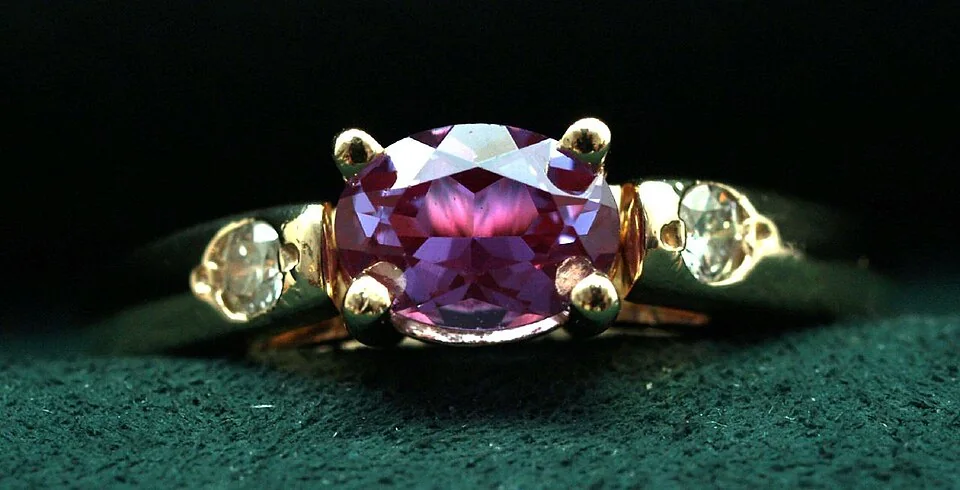
Is alexandrite or sapphire better for a ring?
Sapphire is usually easier to source and exceptionally scratch resistant. Alexandrite offers a rarer color-change phenomenon and is also durable, but fine natural material requires careful identification and often a larger budget.
Alexandrite and color-change sapphire: the main distinctions
- Alexandrite: chrysoberyl. Sapphire: corundum.
- Alexandrite: 8.5. Sapphire: 9.
- Both ordinary appearance and any color change matter.
Alexandrite vs Sapphire: Color Change, Durability, and Rarity
| Decision | Relevant distinction | What to examine |
|---|---|---|
| Mineral | Alexandrite: chrysoberyl. Sapphire: corundum. | Color change alone does not identify the species. |
| Hardness | Alexandrite: 8.5. Sapphire: 9. | Inspect condition and mounting as well as scratch resistance. |
| Viewing | Both ordinary appearance and any color change matter. | Use the same stone and clearly specified lighting conditions. |
Compare the change under two specified lights
GIA describes alexandrite as chrysoberyl with a color change between daylight and incandescent light. Judge both appearances, not just the most dramatic seller photograph. Ask for views of the same stone under consistent conditions. A stone that changes color is not automatically alexandrite: sapphire can be color changing too, so the species name needs evidence independent of the effect.
References: GIA: Alexandrite GIA: Sapphire Care Cleaning GIA: Sapphire Quality Factor
Rarity does not replace the wear assessment
GIA lists alexandrite hardness at 8.5 and sapphire at 9; those numbers concern scratching, not a guarantee against impact. Choose a secure setting suited to the individual gem and avoid paying for weight hidden in a cut you do not enjoy. For a wider shortlist, colored engagement-ring materials show where the intended wear fits alongside the optical effect.
References: GIA: Alexandrite GIA: Sapphire Care Cleaning GIA: Sapphire Quality Factor
Use identification evidence for a valuable claim
Natural origin, laboratory growth and imitation are different descriptions. For a stone sold as natural alexandrite, request laboratory documentation appropriate to the claim and match it to the measurements. The guide to home identification limits explains why a dramatic color-change video cannot prove natural origin. Compare current offers only when identity, treatment, size and the quality of both colors are disclosed.
References: GIA: Alexandrite GIA: Sapphire Quality Factor
Color change does not make sapphire alexandrite
Alexandrite is the color-change variety of chrysoberyl; sapphire is corundum. A sapphire can also change color between light sources, but that shared behavior does not make the minerals interchangeable. GIA lists Mohs hardness as 8.5 for alexandrite and 9 for sapphire. Those numbers describe scratch resistance, not a guarantee against damage. Compare the same stone in daylight and warm incandescent light, keeping the viewing angle similar, and confirm its mineral identity separately from its color. For another corundum comparison, sapphire and ruby in engagement rings shows how color and wear can be considered together.
Questions for comparing the actual stones
- View both colors rather than only the stronger photograph.
- Match a valuable natural-origin claim to suitable documentation.
- Choose a setting that protects the individual stone.
Related Gemstone Questions
Questions about alexandrite and color-change sapphire
Is color-change sapphire a kind of alexandrite?
No. Alexandrite is chrysoberyl, while sapphire is corundum. Both can show a change of color between light sources, but a similar visual effect does not establish the same mineral identity.
Sources and further reading
The GIA references below support the material and treatment distinctions discussed here. Design preferences and purchase-planning suggestions are editorial guidance; they are not individual stone identification, current price quotations or resale guarantees.
Found an error or missing attribution? Send a correction to Natural Gems Editorial.