Lab-Grown Diamond vs White Sapphire
Laboratory-grown diamond is diamond; white sapphire is colorless corundum. Their optical behavior differs, so choose the appearance you prefer rather than expecting sapphire to reproduce diamond sparkle.
Reviewed · Natural Gems Editorial
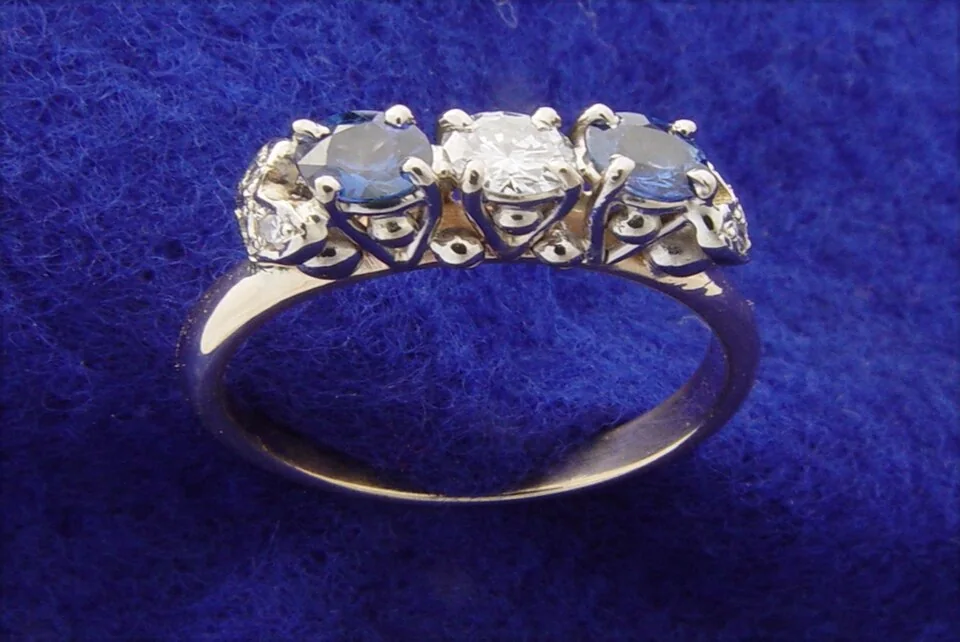
Should you choose lab-grown diamond or white sapphire?
Lab-grown diamond has the same essential properties as natural diamond and usually gives stronger brilliance and scratch resistance. White sapphire is corundum, often softer-looking and less costly, but may show wear and need cleaning more frequently.
Lab-grown diamond and white sapphire: the main distinctions
- Lab-grown diamond: diamond. White sapphire: corundum.
- Diamond is laboratory grown; white sapphire can be natural or synthetic.
- Diamond and corundum are hard but can still suffer damage.
Lab-Grown Diamond vs White Sapphire
| Decision | Relevant distinction | What to examine |
|---|---|---|
| Material | Lab-grown diamond: diamond. White sapphire: corundum. | The names should remain explicit on the invoice. |
| Origin | Diamond is laboratory grown; white sapphire can be natural or synthetic. | A color description alone does not disclose origin. |
| Wear | Diamond and corundum are hard but can still suffer damage. | Check treatment, condition and mounting instead of expecting invulnerability. |
A laboratory-grown diamond is not a diamond simulant
GIA distinguishes laboratory-grown diamond, which has essentially the properties of diamond, from materials that imitate its appearance. White sapphire remains sapphire whether naturally formed or laboratory grown. Ask two separate questions: what material is it, and how was that material produced? The differences in natural and lab-grown sapphire are useful if a white sapphire seller leaves origin ambiguous.
References: GIA: Sapphire Care Cleaning GIA: Natural and Laboratory-Grown Diamonds
Compare motion, not just a white photograph
Try both stones under the same lighting and move them through several angles. Judge whether their individual pattern of reflections is attractive to you; a bright studio photograph cannot establish their identity or predict how the ring looks all day. Cut and cleanliness influence the face-up impression. Avoid buying sapphire on the promise that it is optically identical to diamond.
References: GIA: Sapphire Care Cleaning
Write a specification for the actual purchase
For a laboratory-grown diamond, request appropriate identification documentation and match it to the offered stone. For sapphire, request origin and treatment disclosures, since a natural-origin claim and filling can materially change the decision. Before buying either online, check seller evidence and inspection arrangements. Compare the setting and total price, without treating either material as a guaranteed investment.
References: GIA: Sapphire Care Cleaning GIA: Natural and Laboratory-Grown Diamonds
Questions for comparing the actual stones
- View both moving under the same light.
- Match documentation to the specific stone.
- Compare total jewelry cost and the return terms.
Related Gemstone Questions
Sources and further reading
The GIA references below support the material and treatment distinctions discussed here. Design preferences and purchase-planning suggestions are editorial guidance; they are not individual stone identification, current price quotations or resale guarantees.
Found an error or missing attribution? Send a correction to Natural Gems Editorial.